

See how a few thoughtful choices can bring the calm, clean style of Japanese design into a modern home.
Picture clean, sleek lines paired with quiet, minimalist details borrowed straight from Japan. That combination is what gives these homes their calm, grounded feel.

This roundup gathers modern Japanese-style homes that mix calm, natural materials with sharp, contemporary design. Take a look and see which ideas fit your own space.
Open-plan Layouts and Sliding Shoji Screens
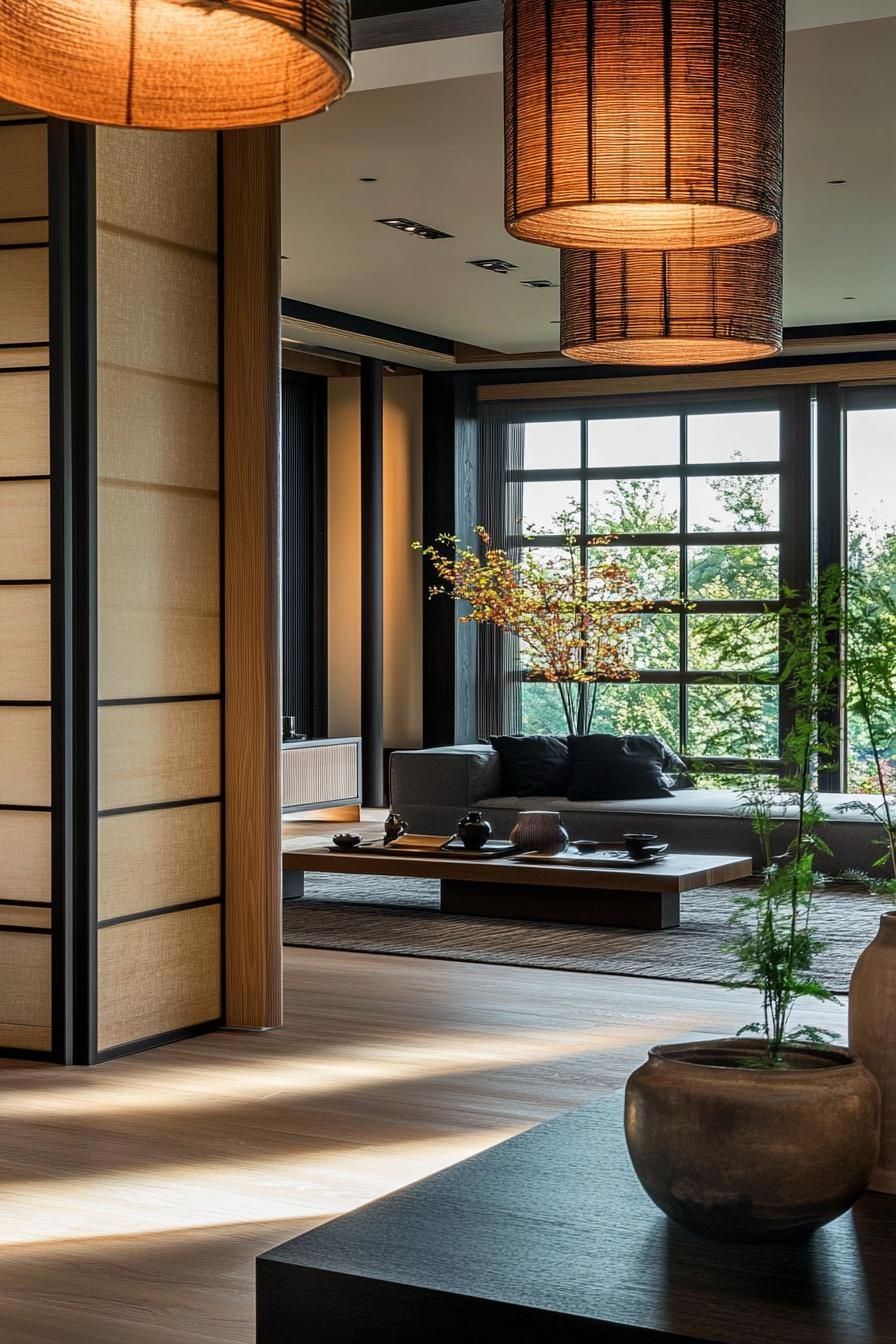
An open floor plan lets rooms flow into each other without heavy walls breaking up the space. This layout works well in living and dining areas, where a continuous sightline makes small homes feel bigger.
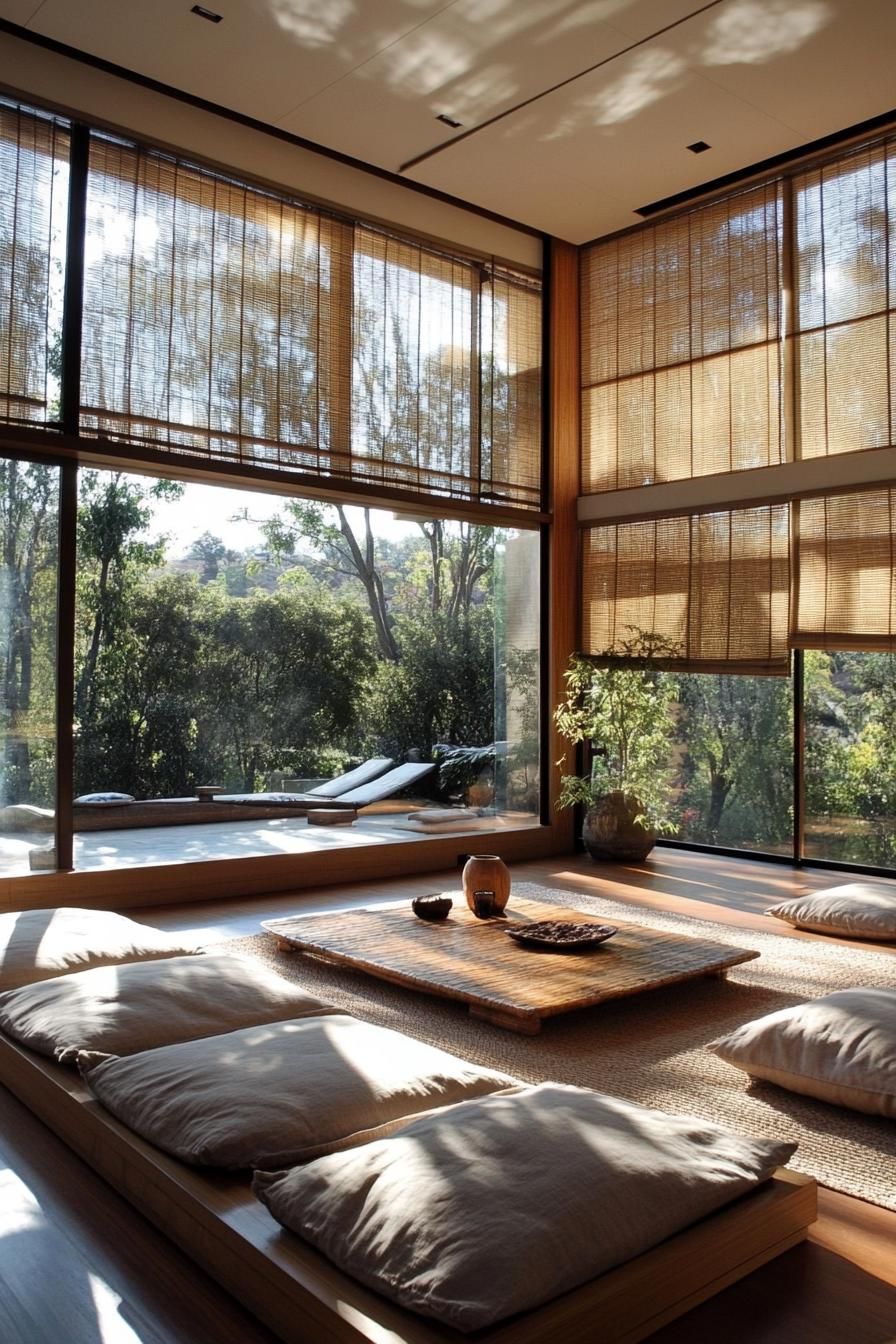
Shoji screens slide along tracks, so a room can shift from open to divided in seconds. Rice paper panels set in wood frames make this possible without needing a permanent wall.
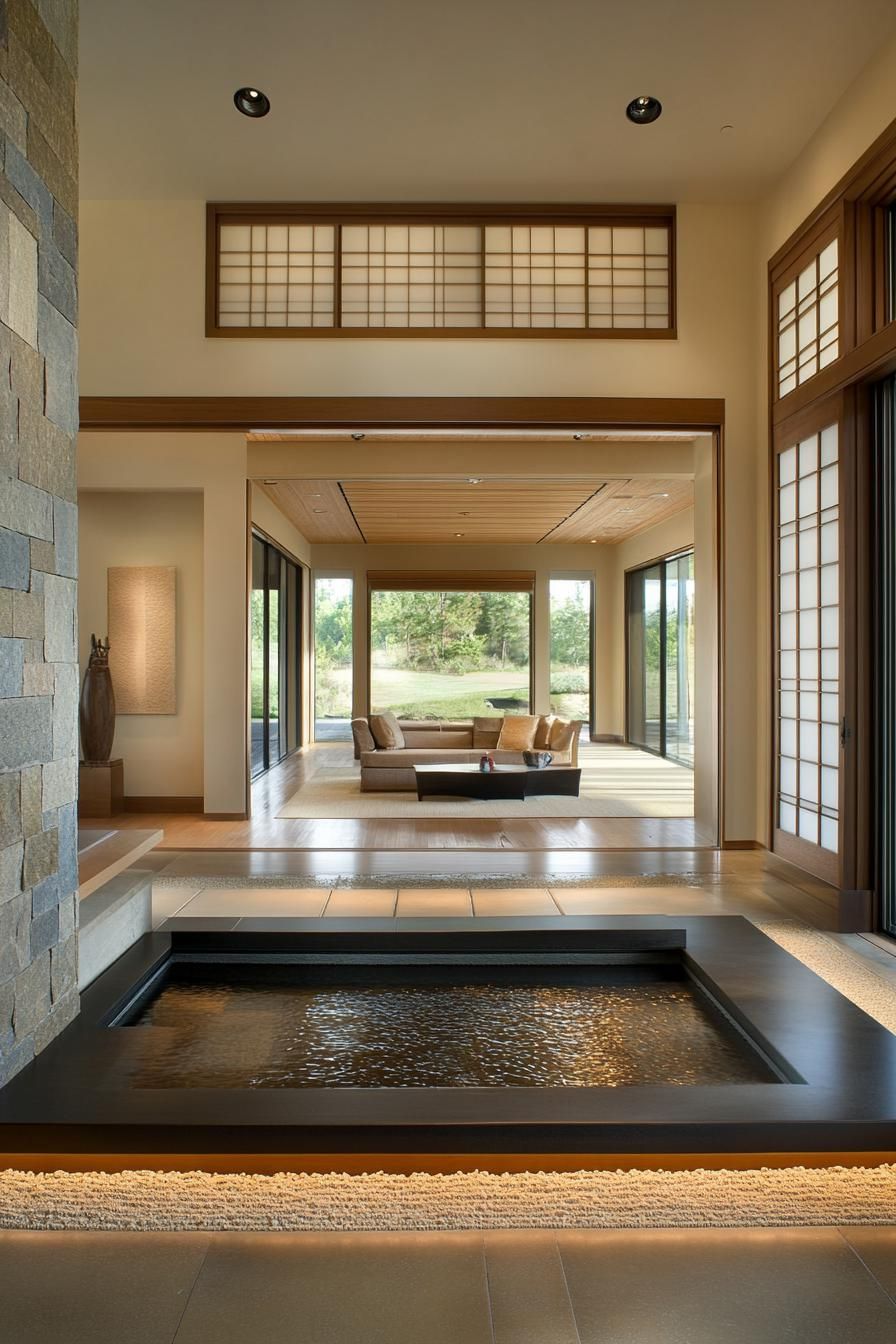
Need a quiet corner for reading or a wide-open space for guests? A single screen can handle both, depending on how you slide it.
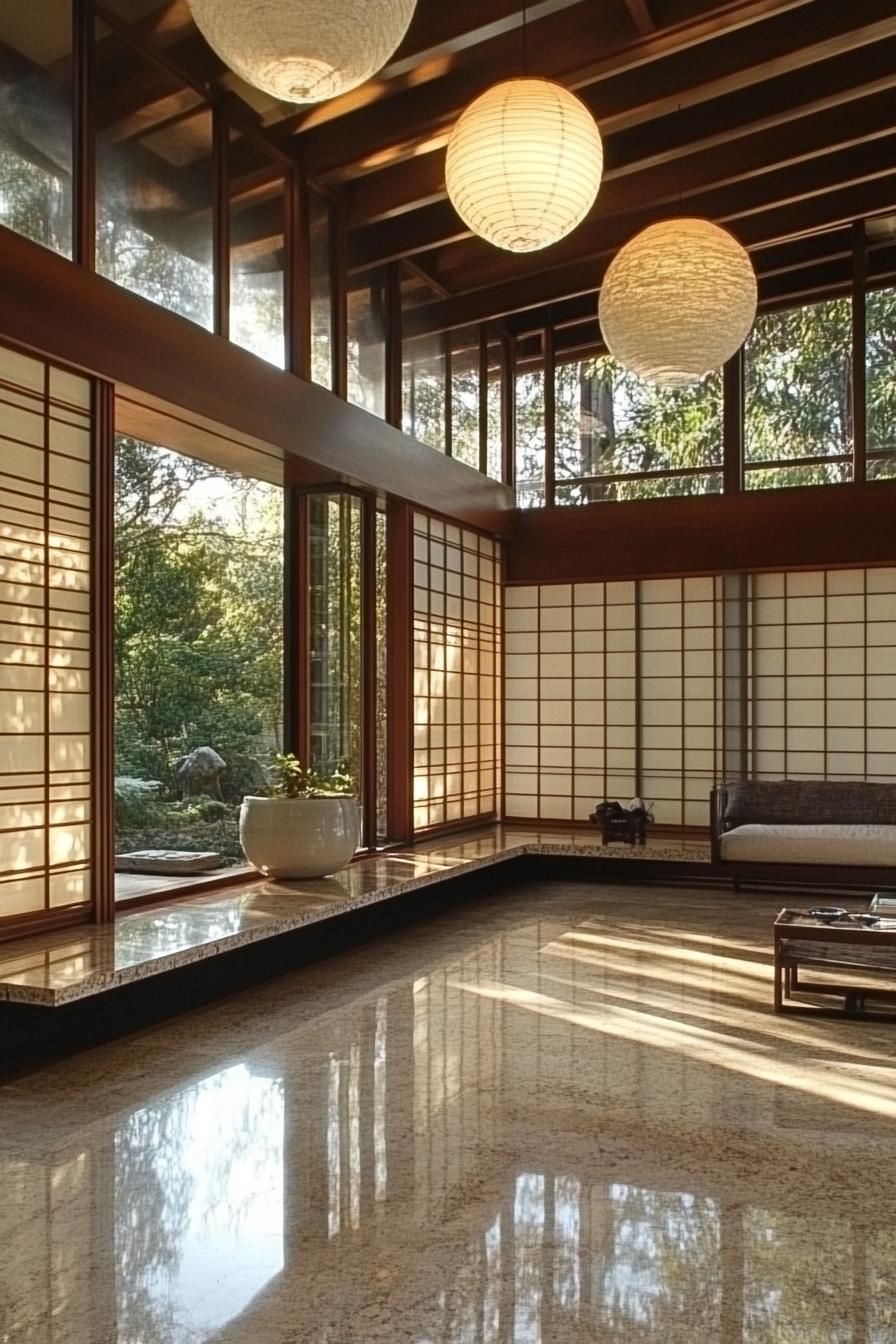
Light passes through the paper panels in a soft, filtered glow instead of a harsh beam. That diffused light is part of what gives these rooms their calm, low-key mood.
Low-profile Furniture for a Minimalist Look
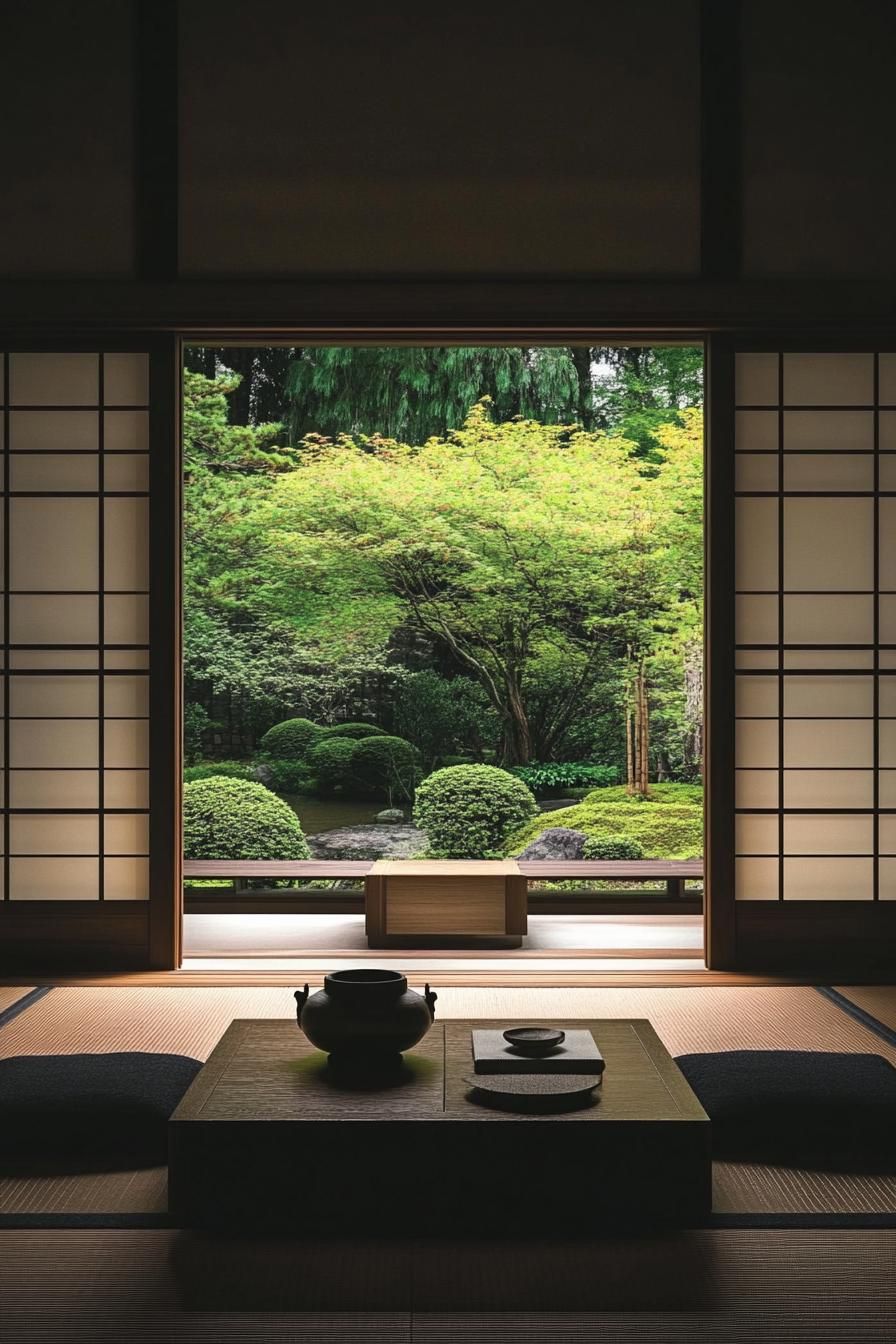
Low-slung furniture keeps sightlines open across a room, which is part of why Japanese interiors feel so uncluttered. Sofas, tables, and shelving units sit close to the floor instead of towering over the space.
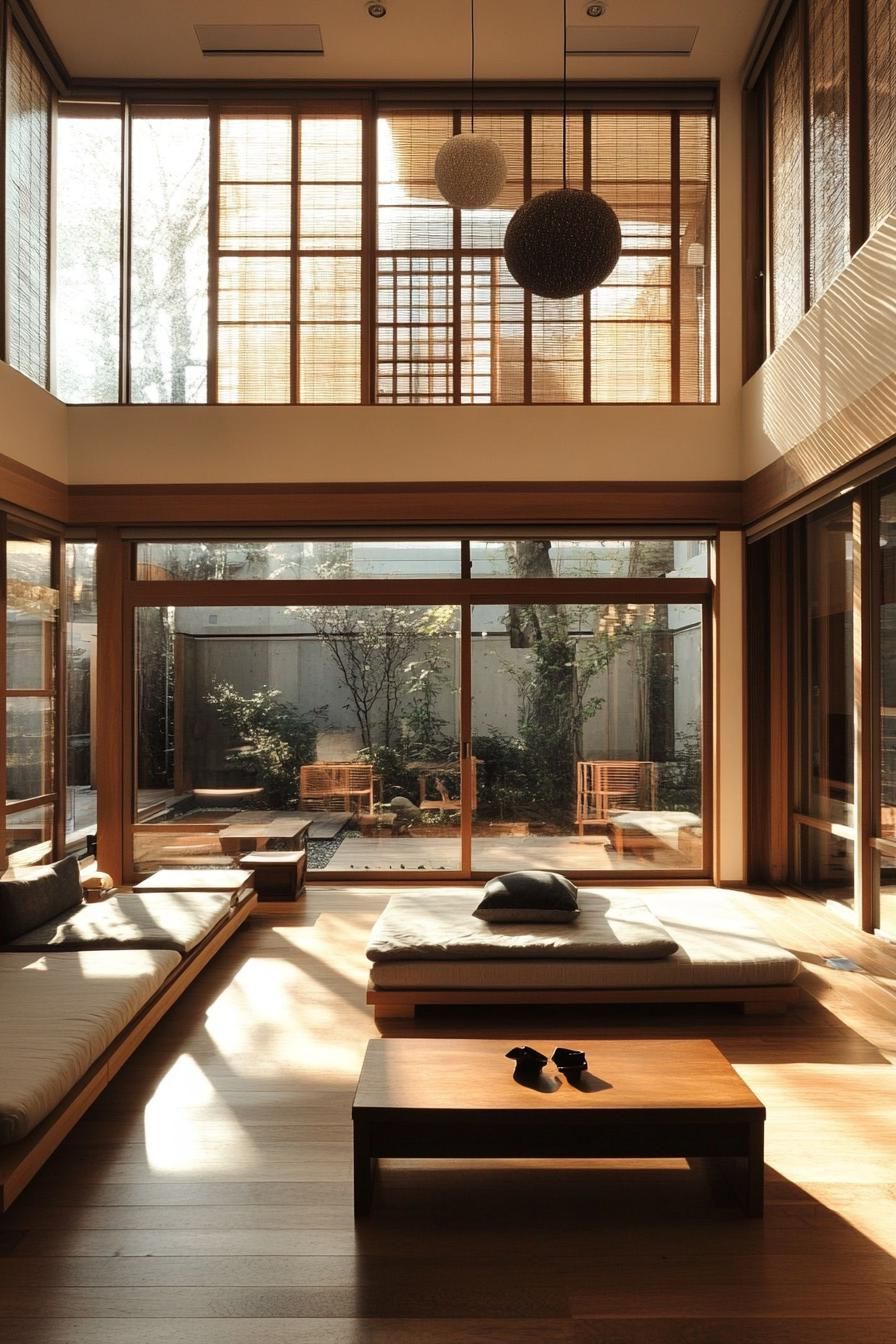
A low sofa doesn’t compete for attention the way a bulky sectional might. Instead, it lets the room’s proportions and natural materials do the talking.
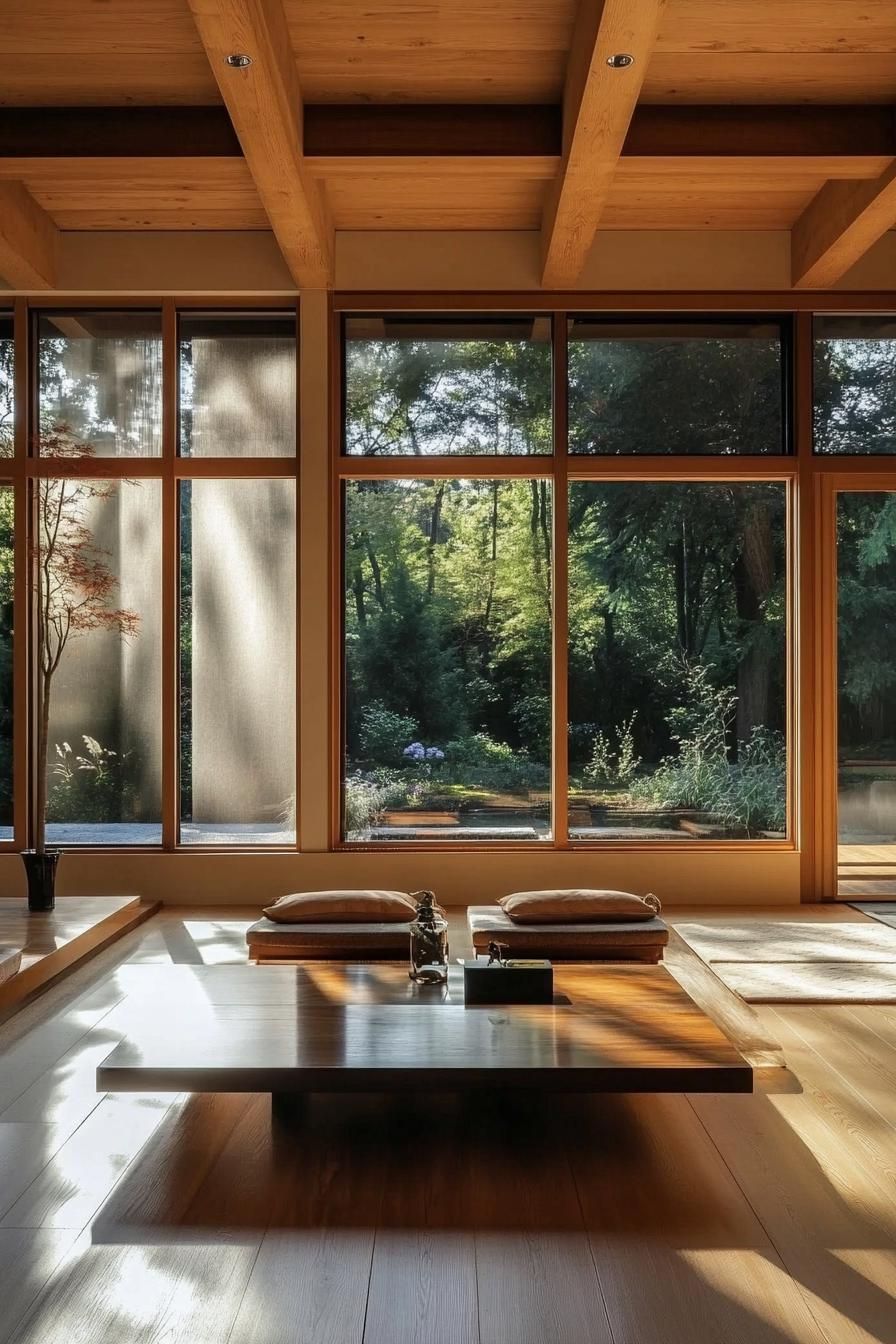
Tables and chairs favor straight edges and simple geometric shapes over ornate carving or curves. Oak, walnut, and other natural woods are common choices for these pieces.
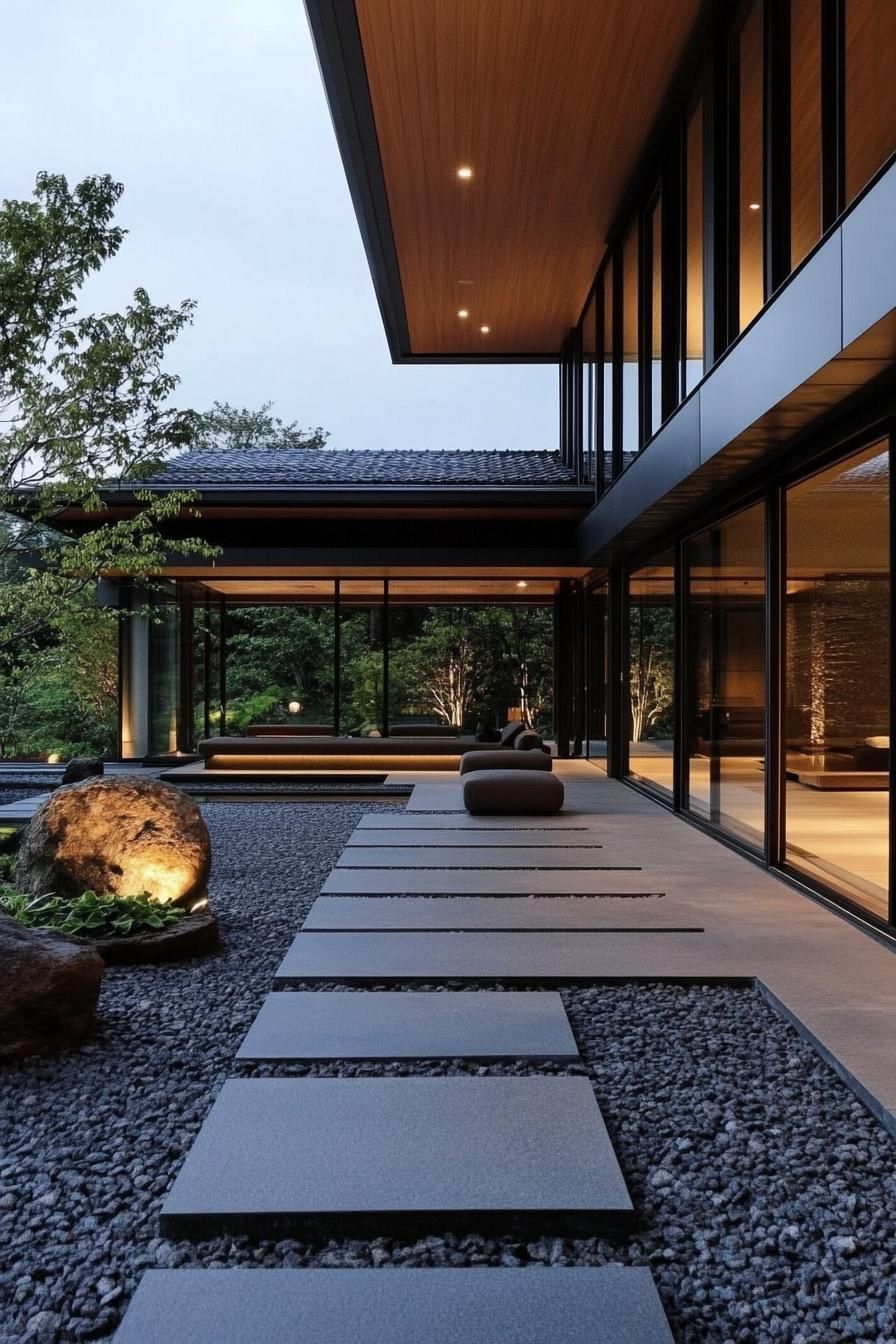
Fewer pieces on display means fewer visual distractions in the room. That open, uncluttered layout also makes daily cleaning and rearranging much easier.
Tatami Mats for Main Living Spaces
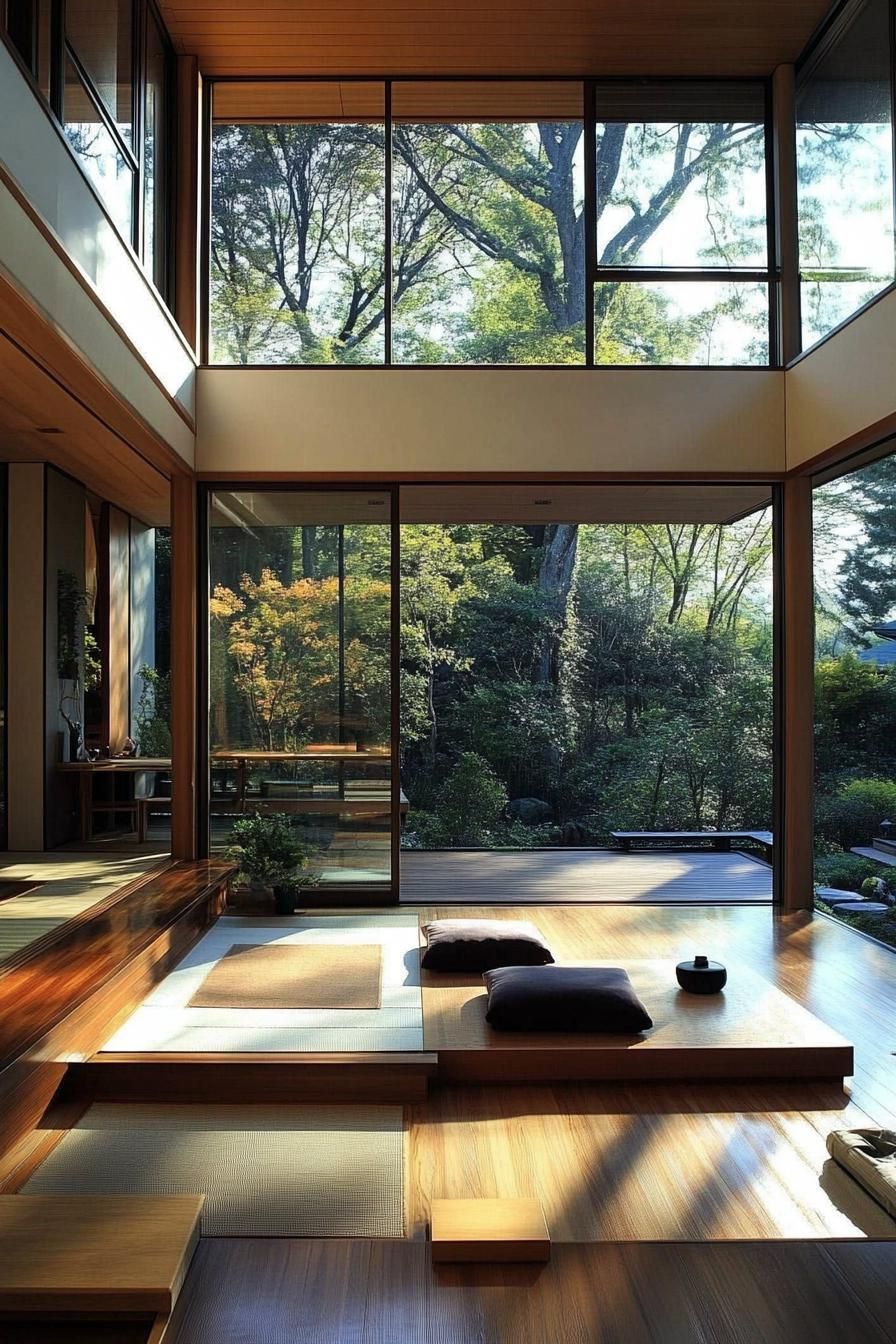
Tatami mats, woven from rush straw over a rice-straw core, bring a warm, earthy tone to a living room or bedroom. This flooring choice has been used in Japanese homes for centuries as both a seating and sleeping surface.
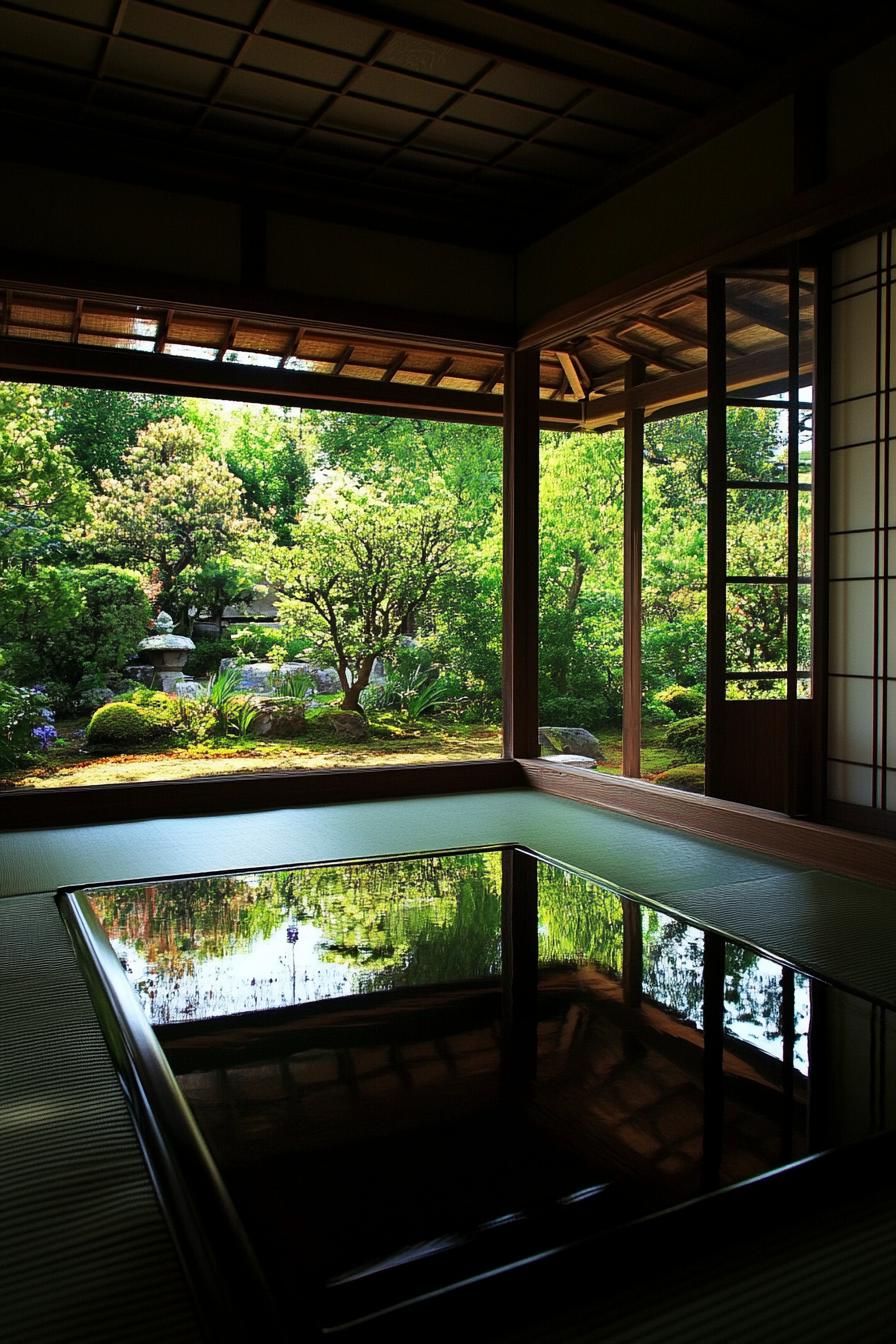
Their soft texture makes them a natural spot for sitting cross-legged or stretching out for a nap. Many households pair them with low cushions called zabuton for extra comfort.
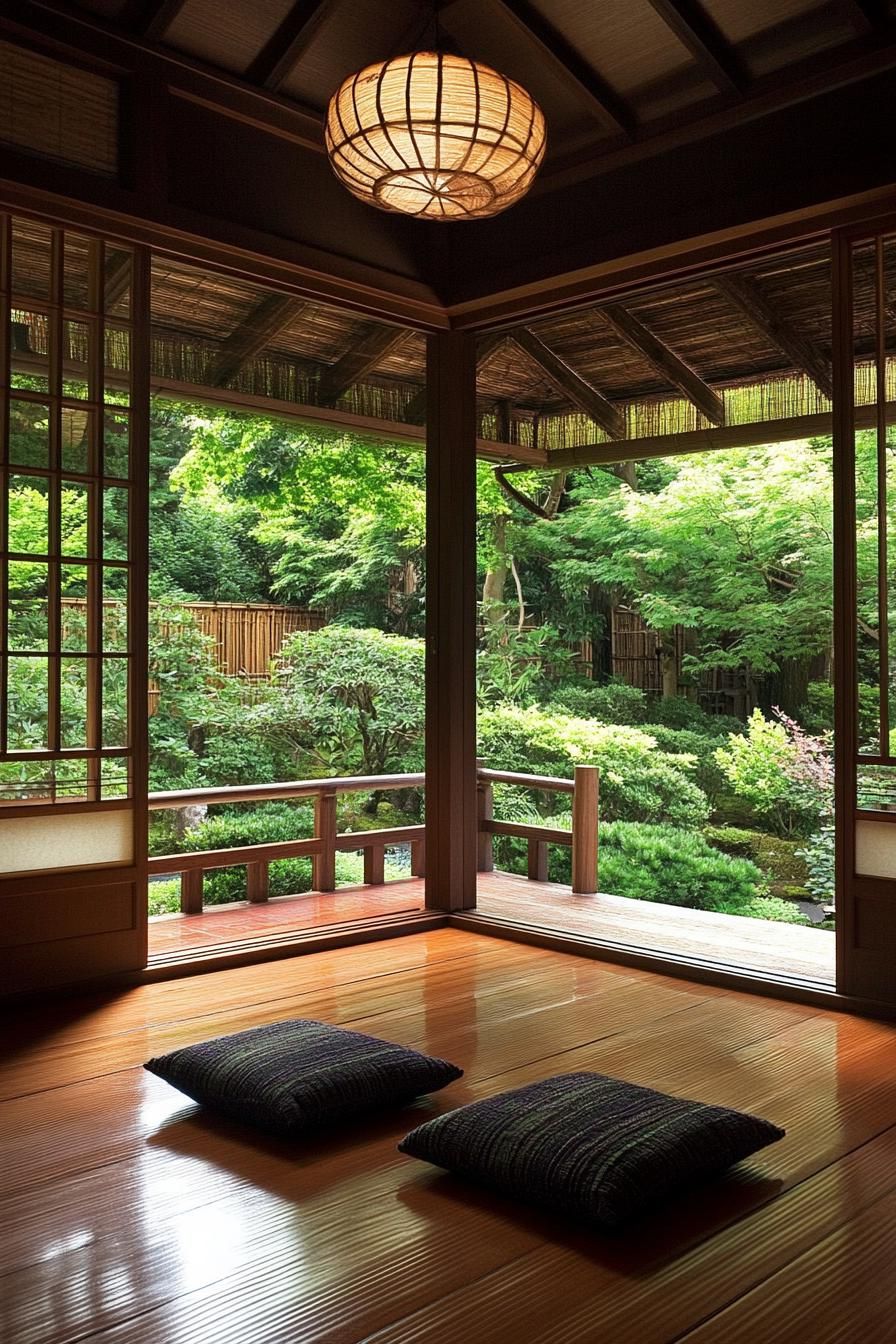
The straw fibers absorb and release moisture, which helps keep humidity levels steady in the room.
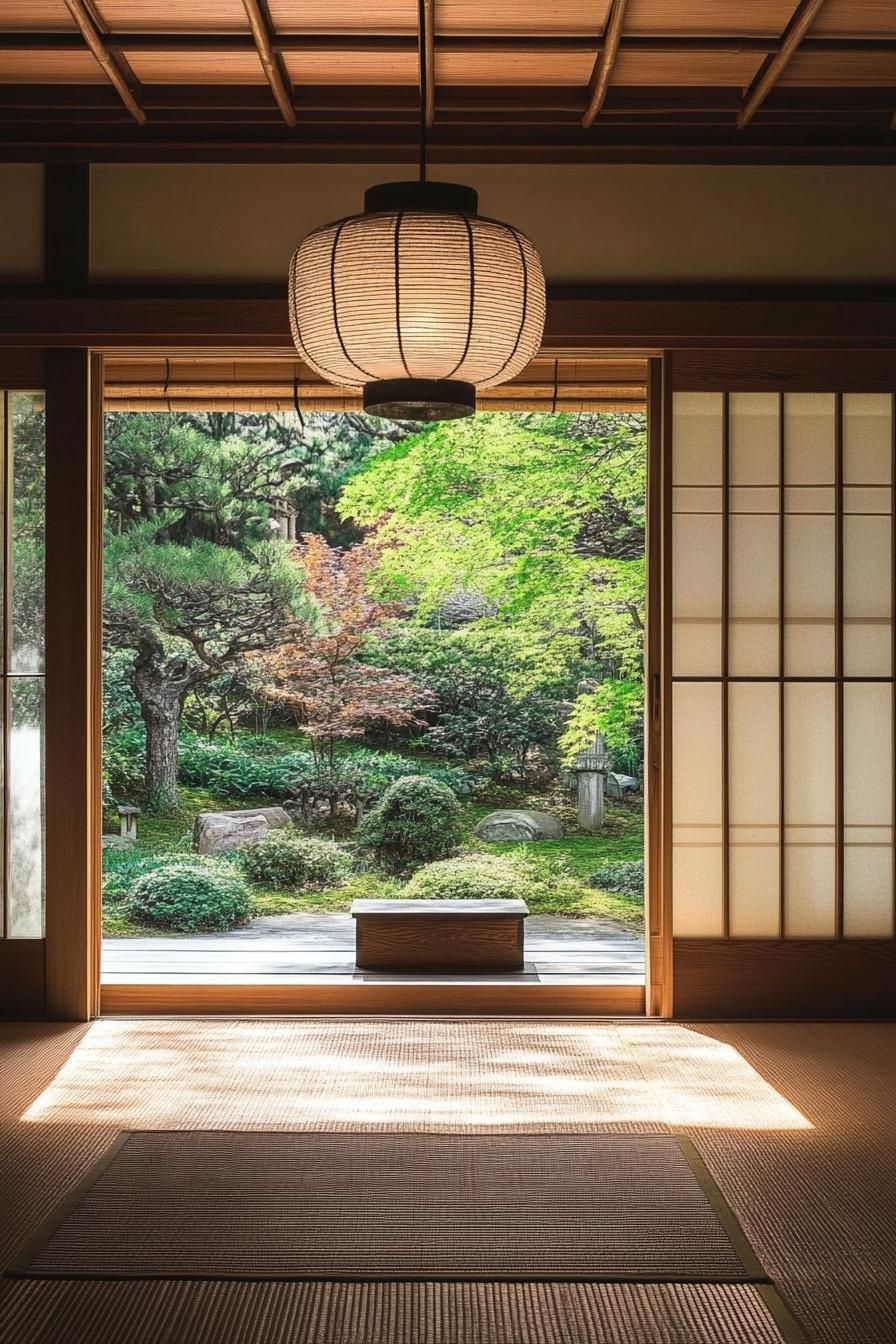
Bare feet feel a slight grain and give with every step, something no synthetic carpet fully replicates.
Rock and Bamboo Accents in Zen Gardens
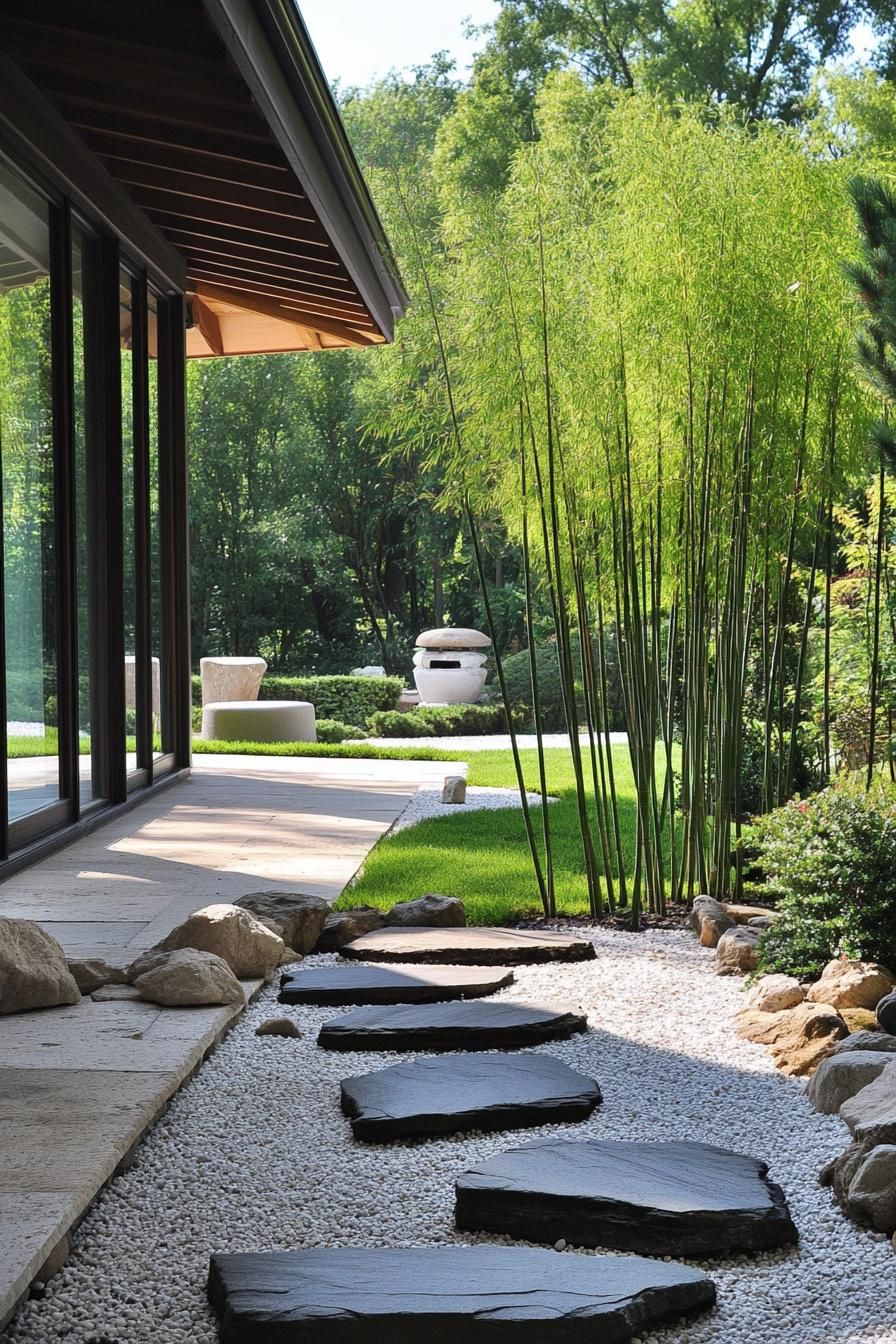
Large stones get arranged to suggest distant mountains, while raked gravel lines trace the movement of flowing water. This style, known as karesansui or dry landscape gardening, has roots in centuries-old Japanese temple design.
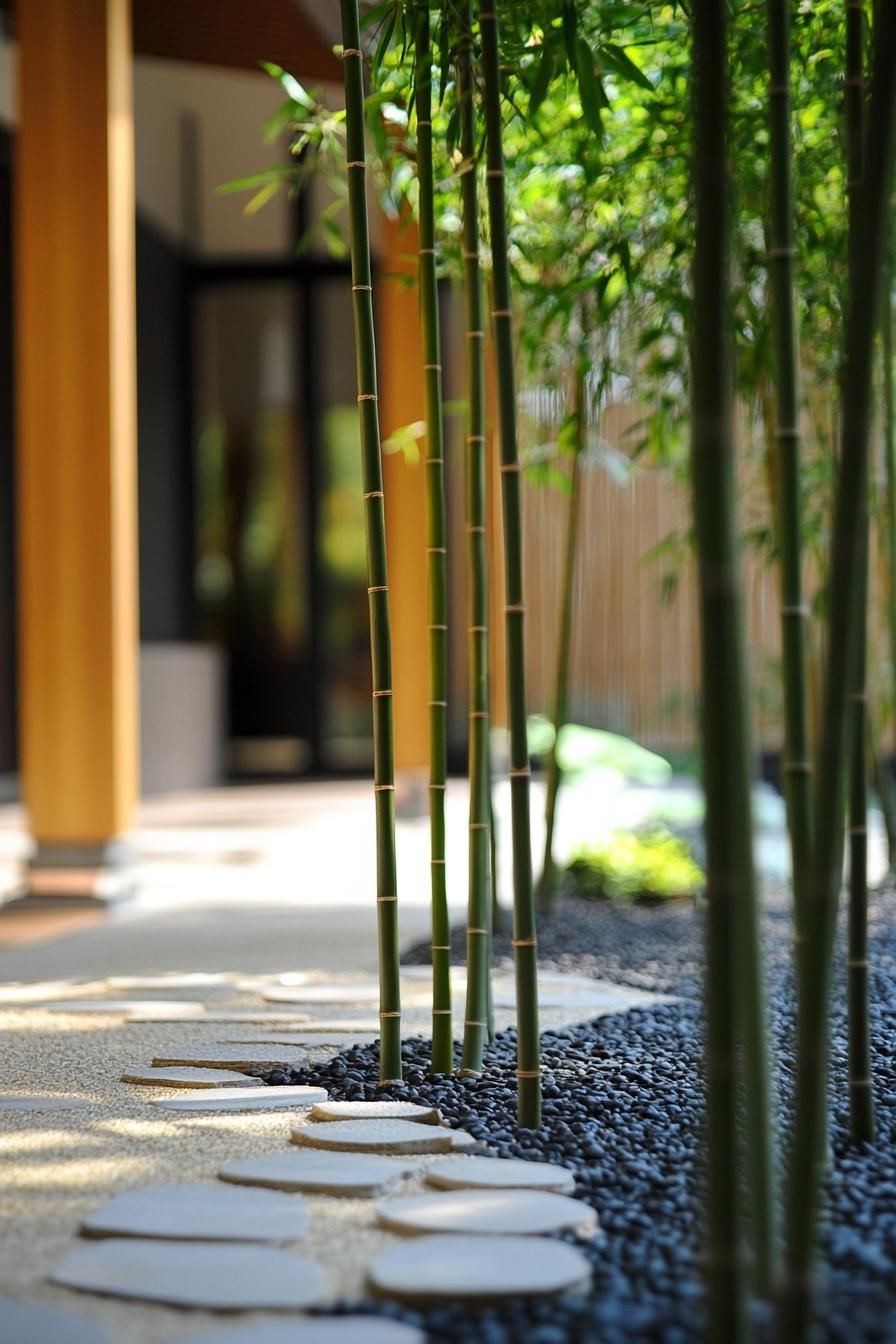
Rows of tall bamboo add height and texture to the garden while blocking sightlines from neighbors or the street.
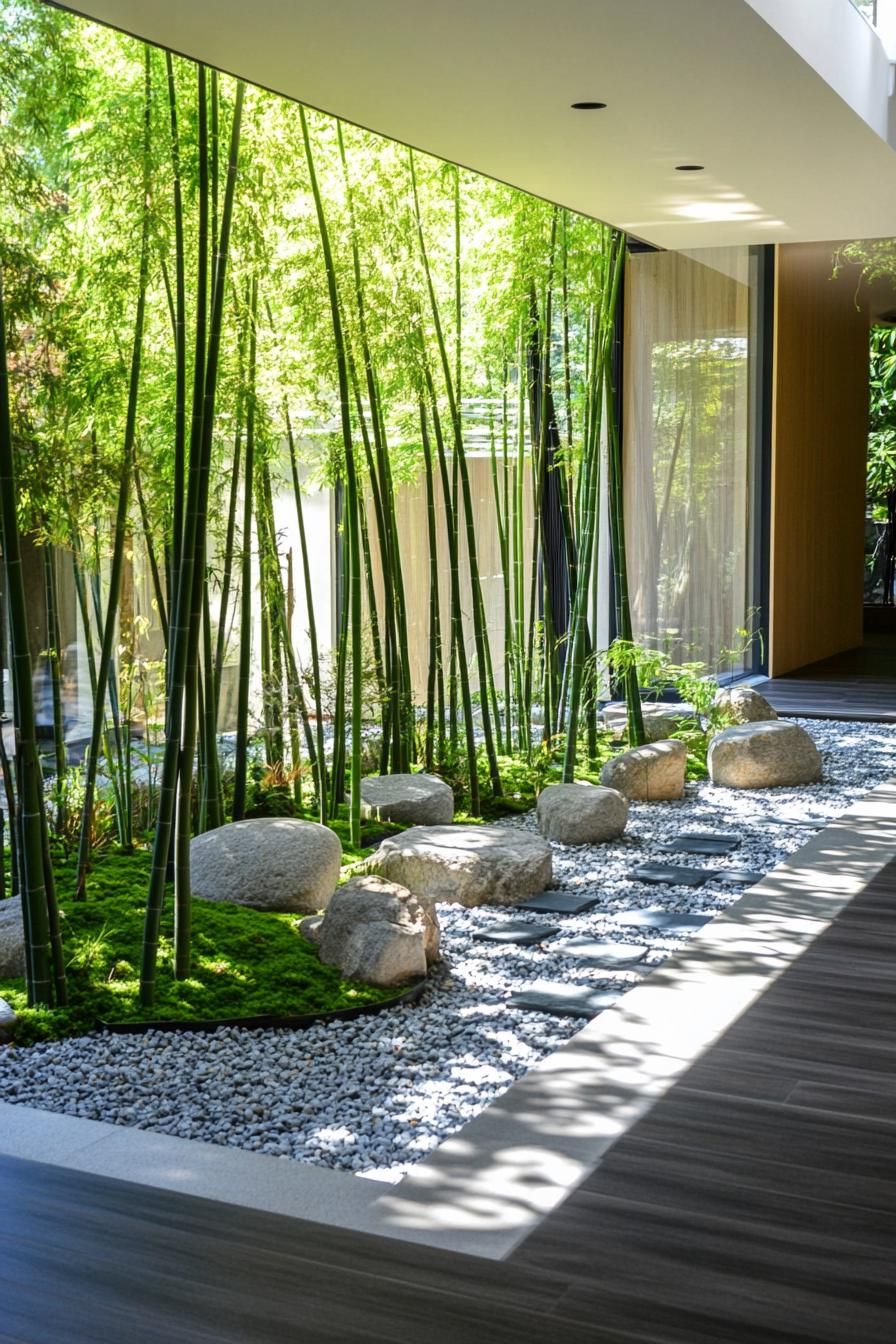
Running water, whether from a small stream or a bamboo fountain, adds a steady background sound that helps quiet a busy mind.
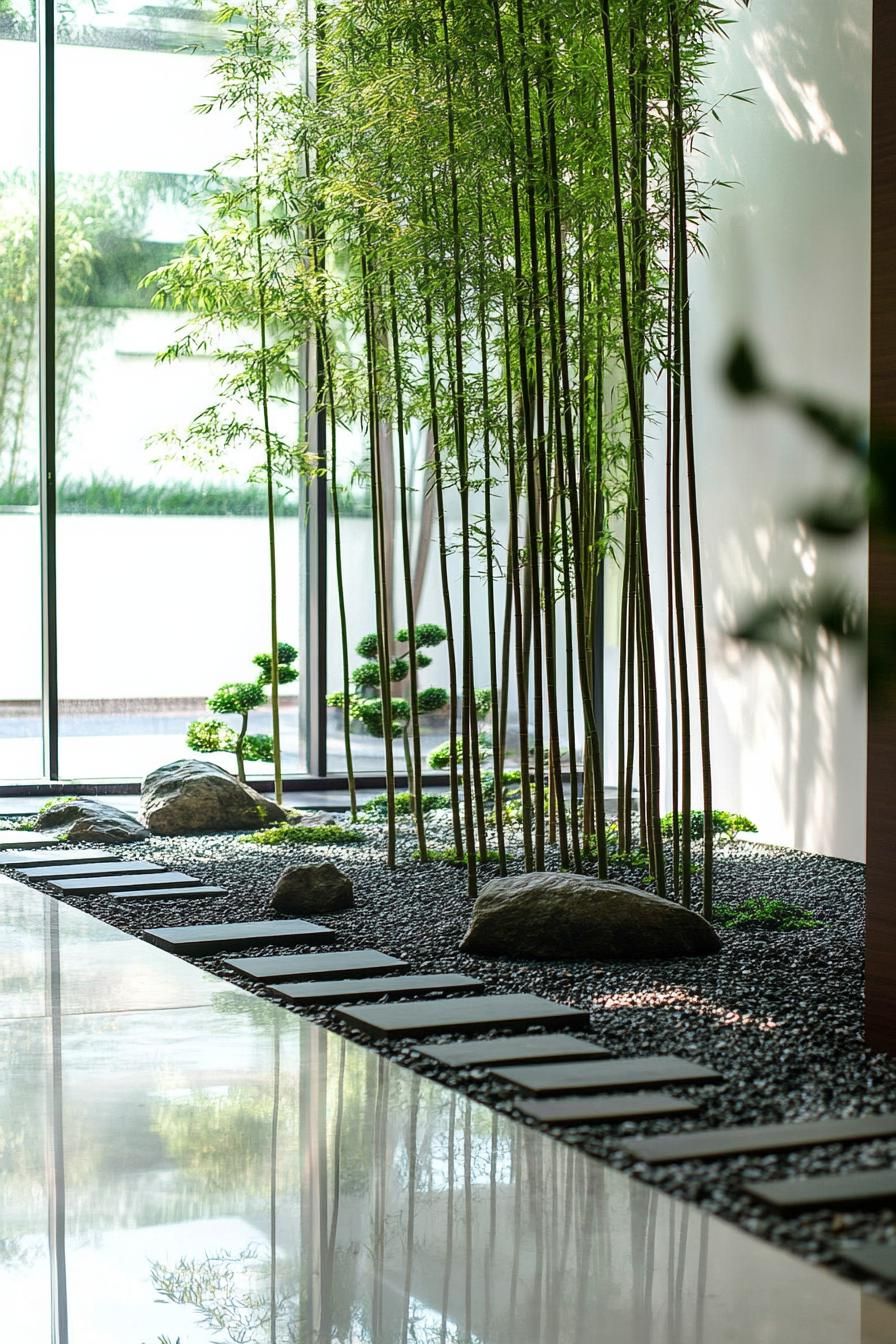
The result is a small outdoor space built for sitting still, where plants, stone, and gravel work together instead of competing.
Big Windows That Bring in Natural Light
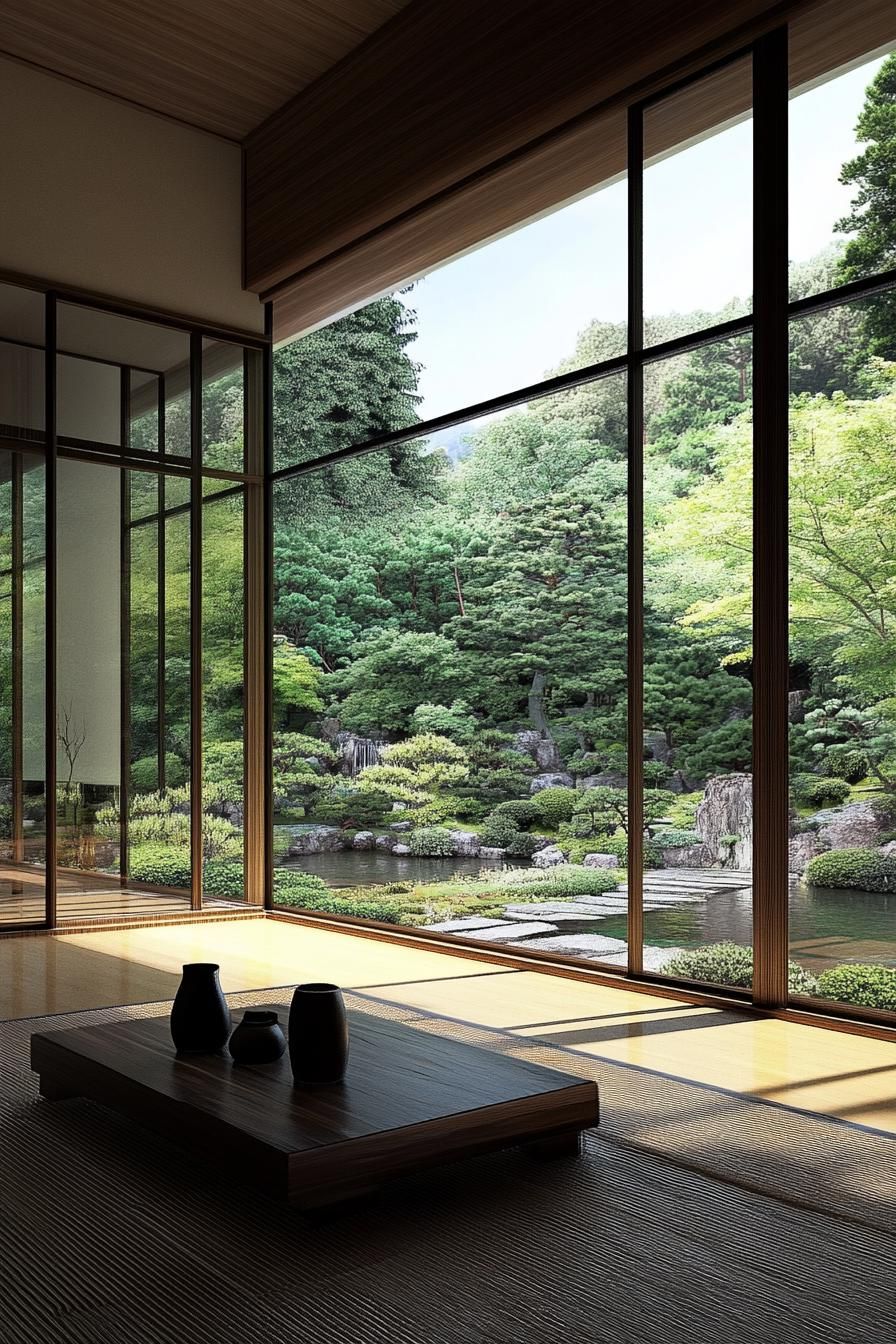
Tall, floor-to-ceiling glass panels pull daylight deep into a room, making even a small footprint feel airy and open.
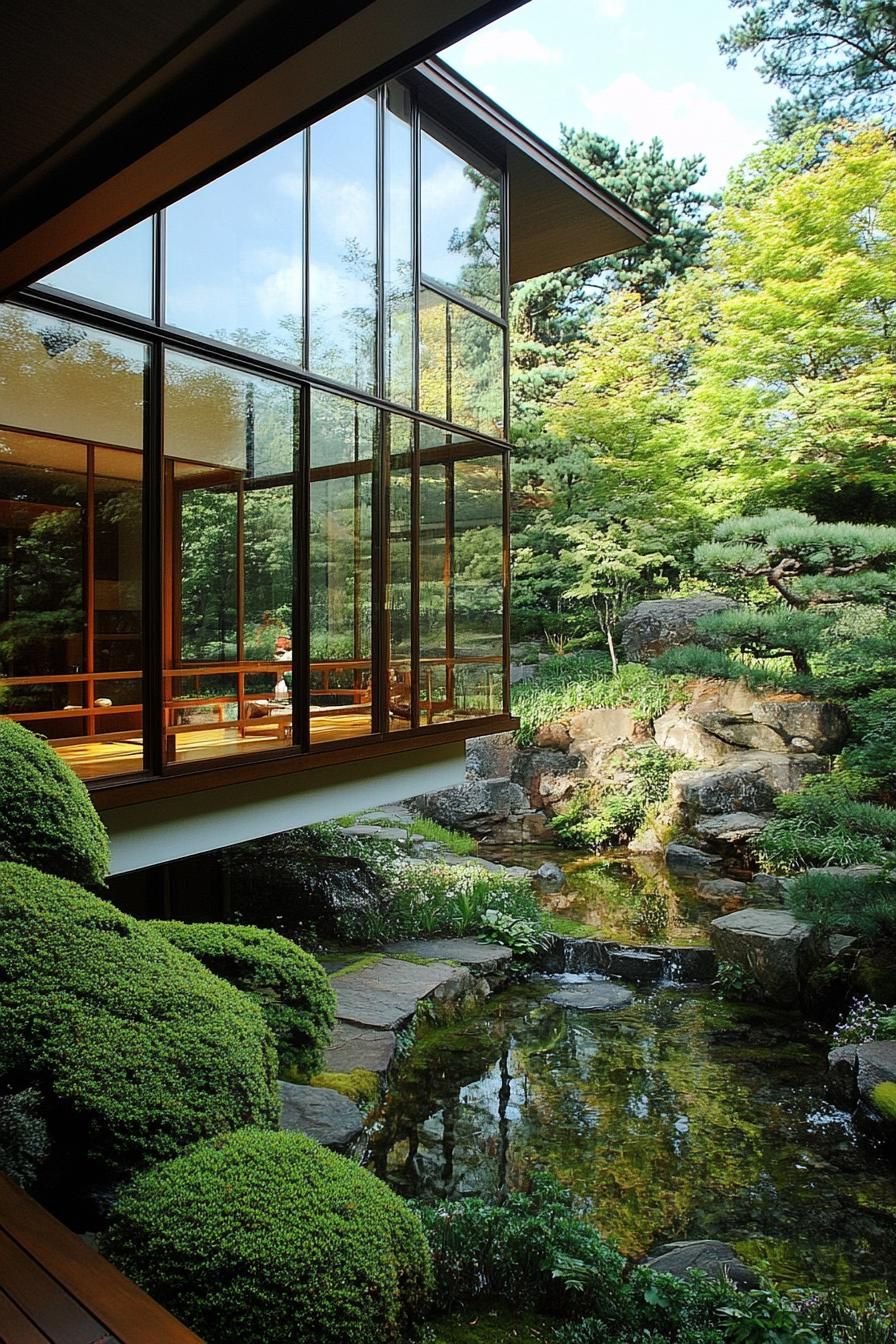
Glass walls erase the hard line between inside and outside, pulling the garden view straight into the living space.
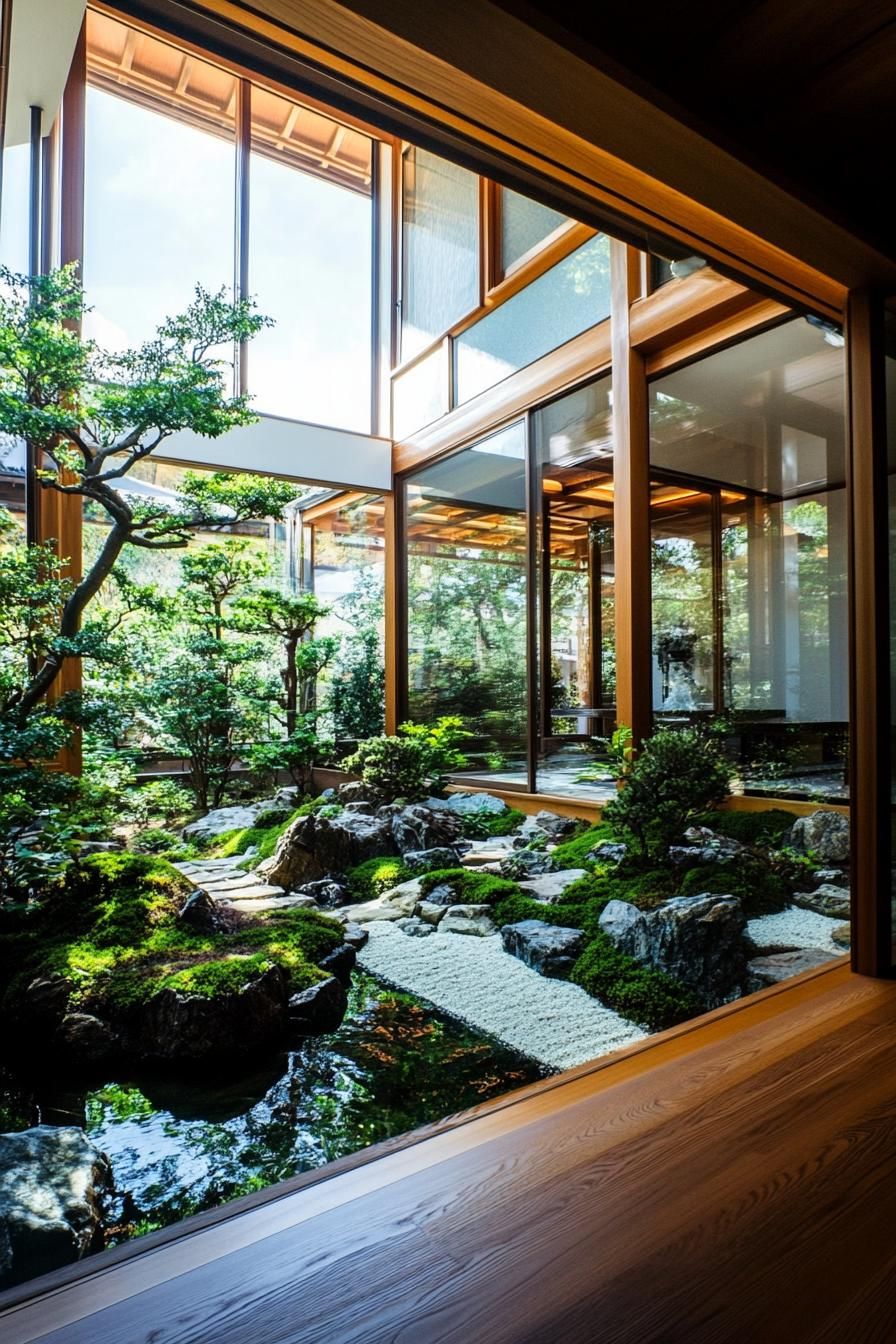
A window facing a Zen garden turns that rock-and-gravel arrangement into a framed scene you can enjoy from the couch.
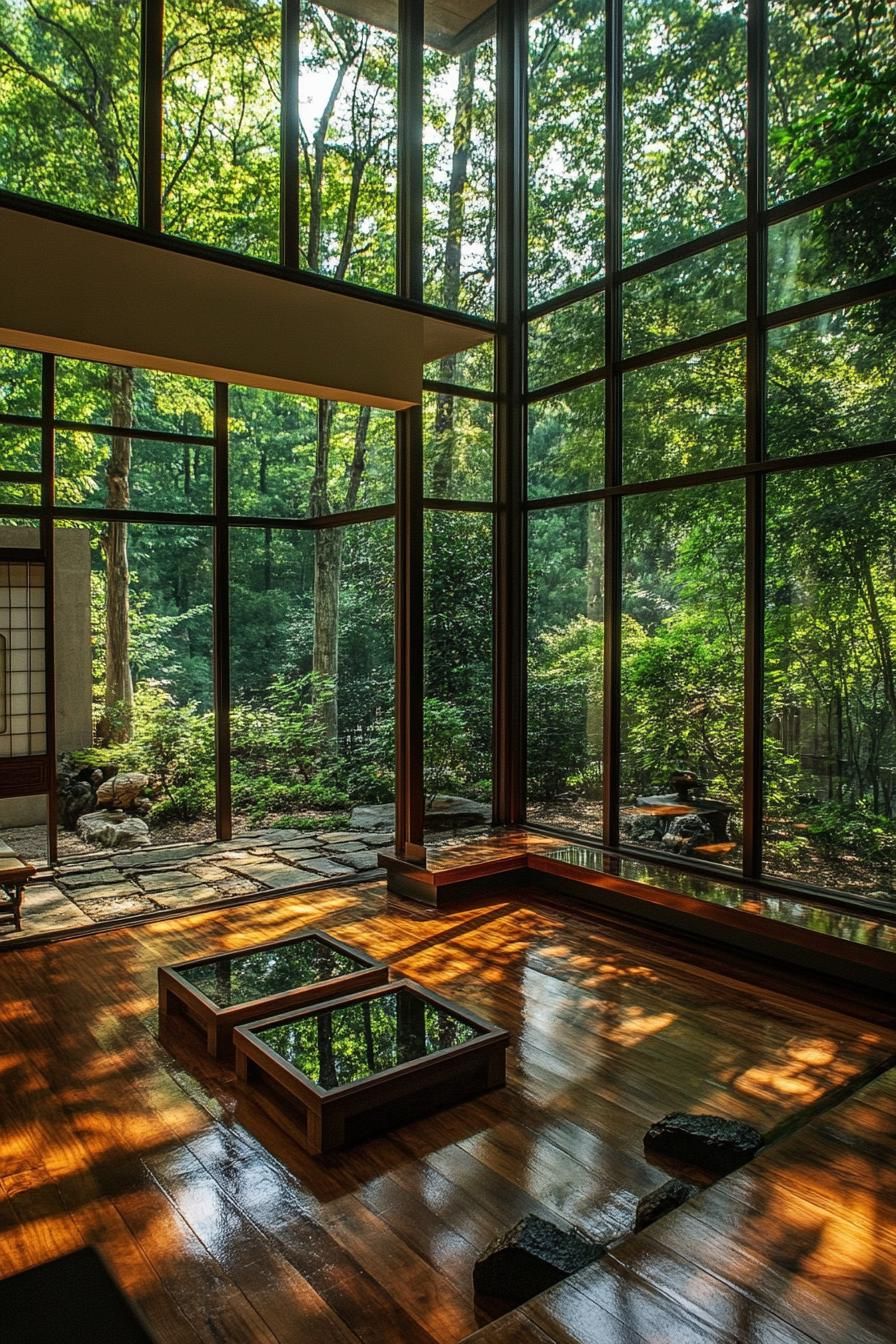
Big glass walls raise an obvious question: how do you keep the space private?
Bamboo screens, sheer drapes, or frosted glass panels solve that problem without blocking the light completely.
An Indoor Koi Pond With a Small Bridge
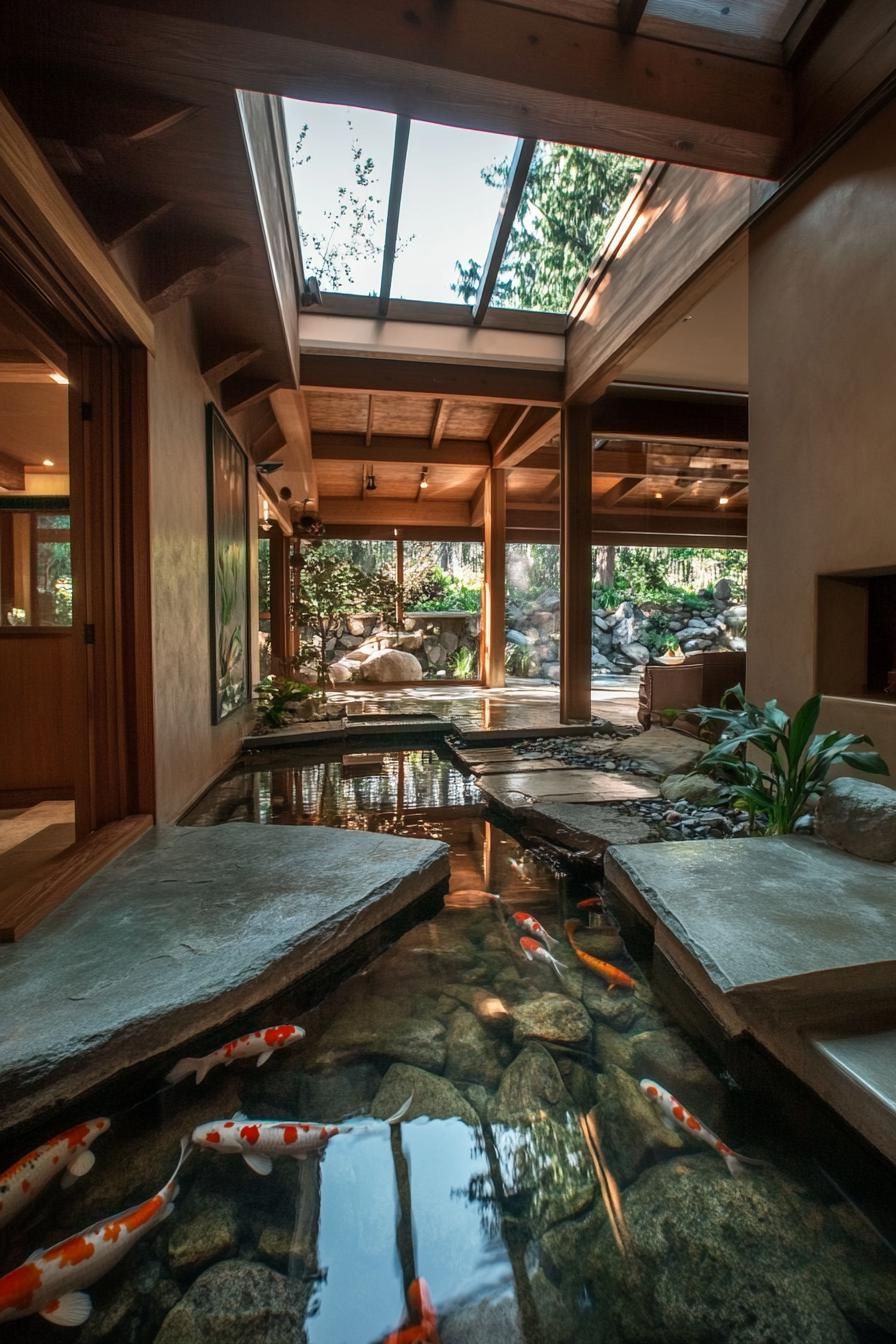
Some homes tuck a quiet water feature right into the entryway or main hall, catching visitors off guard in a good way.
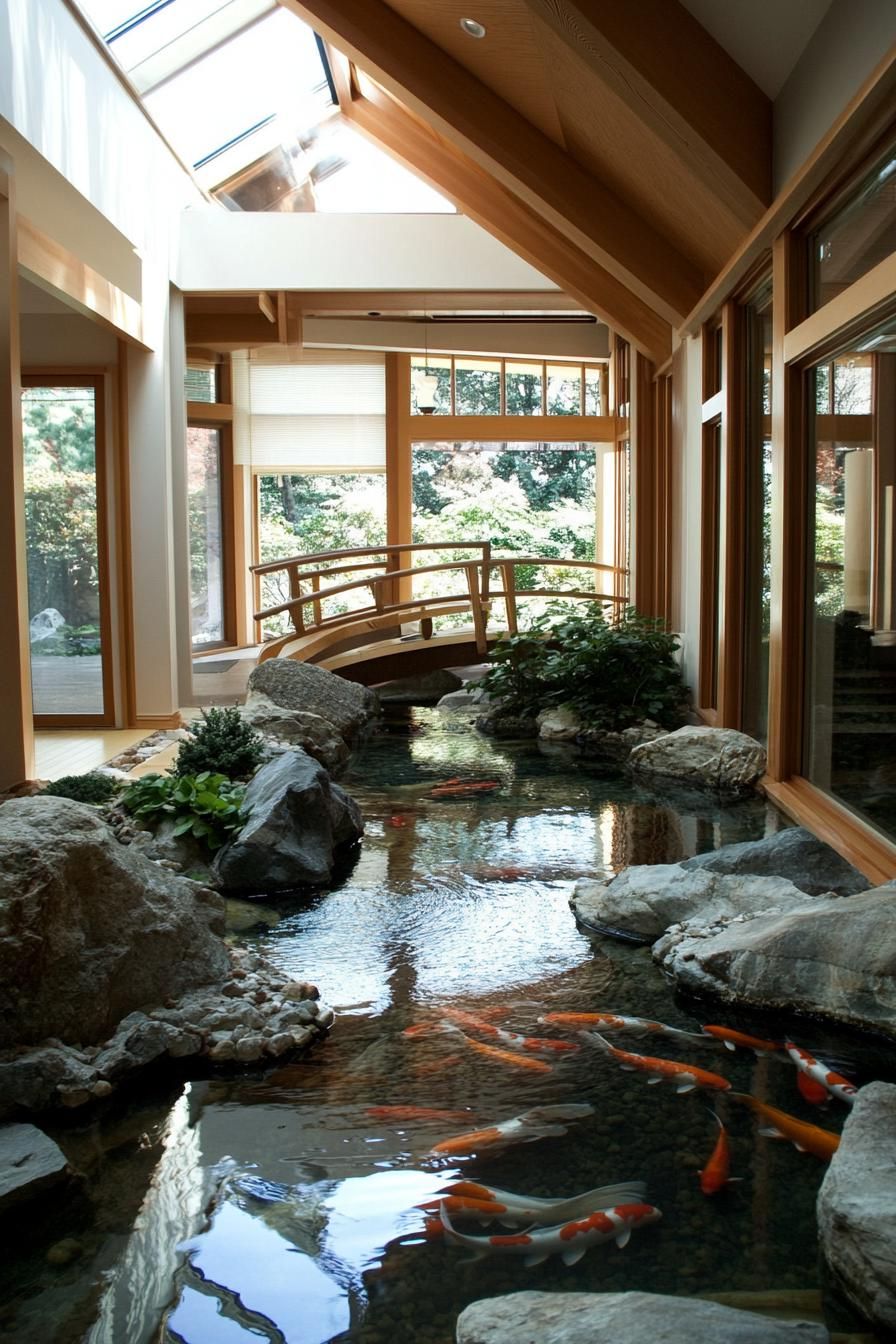
Koi fish glide slowly beneath a narrow wooden bridge, their orange and white scales visible through clear, still water.
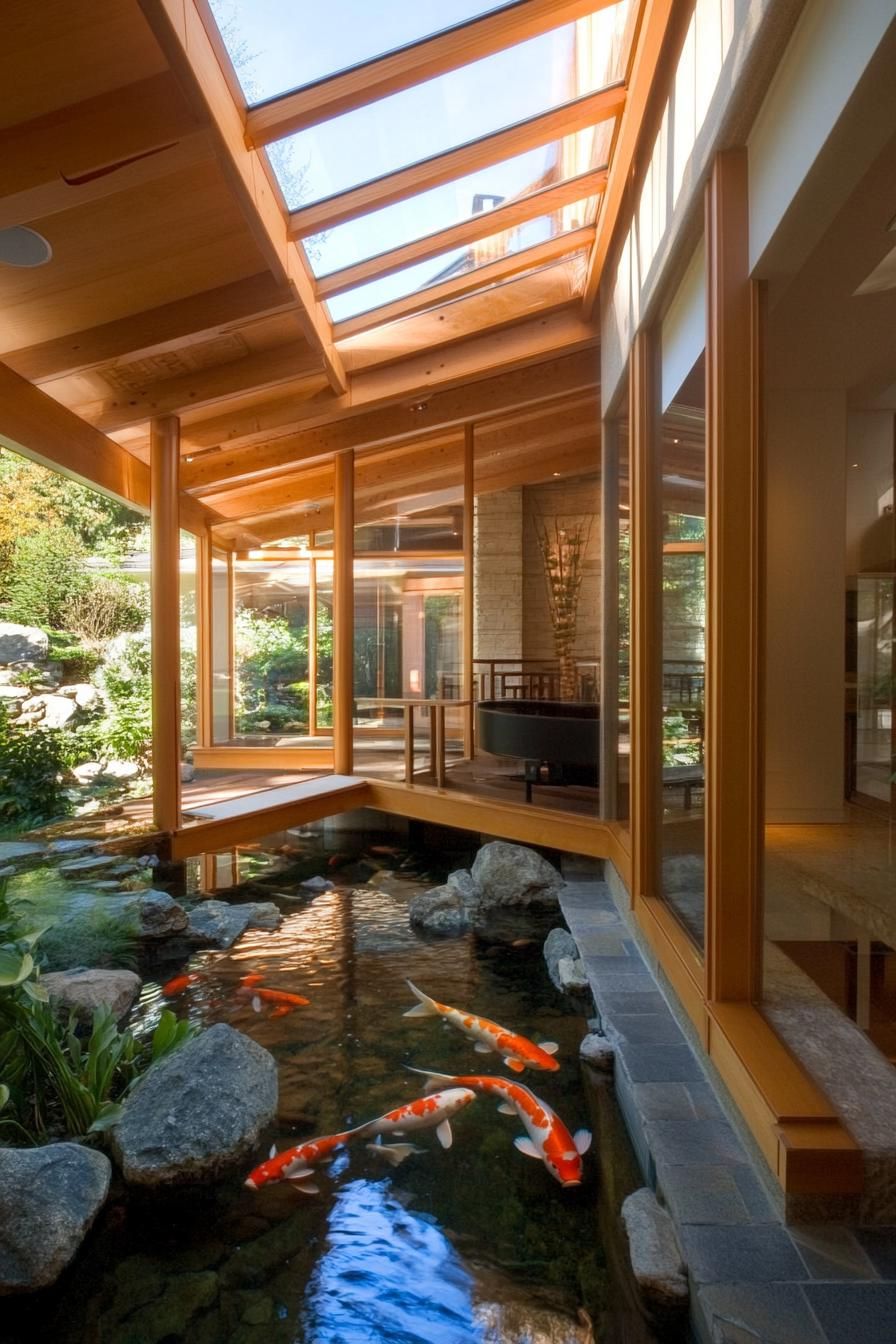
Water trickling over stones or through a small filter adds a steady, low hum that masks outside noise.
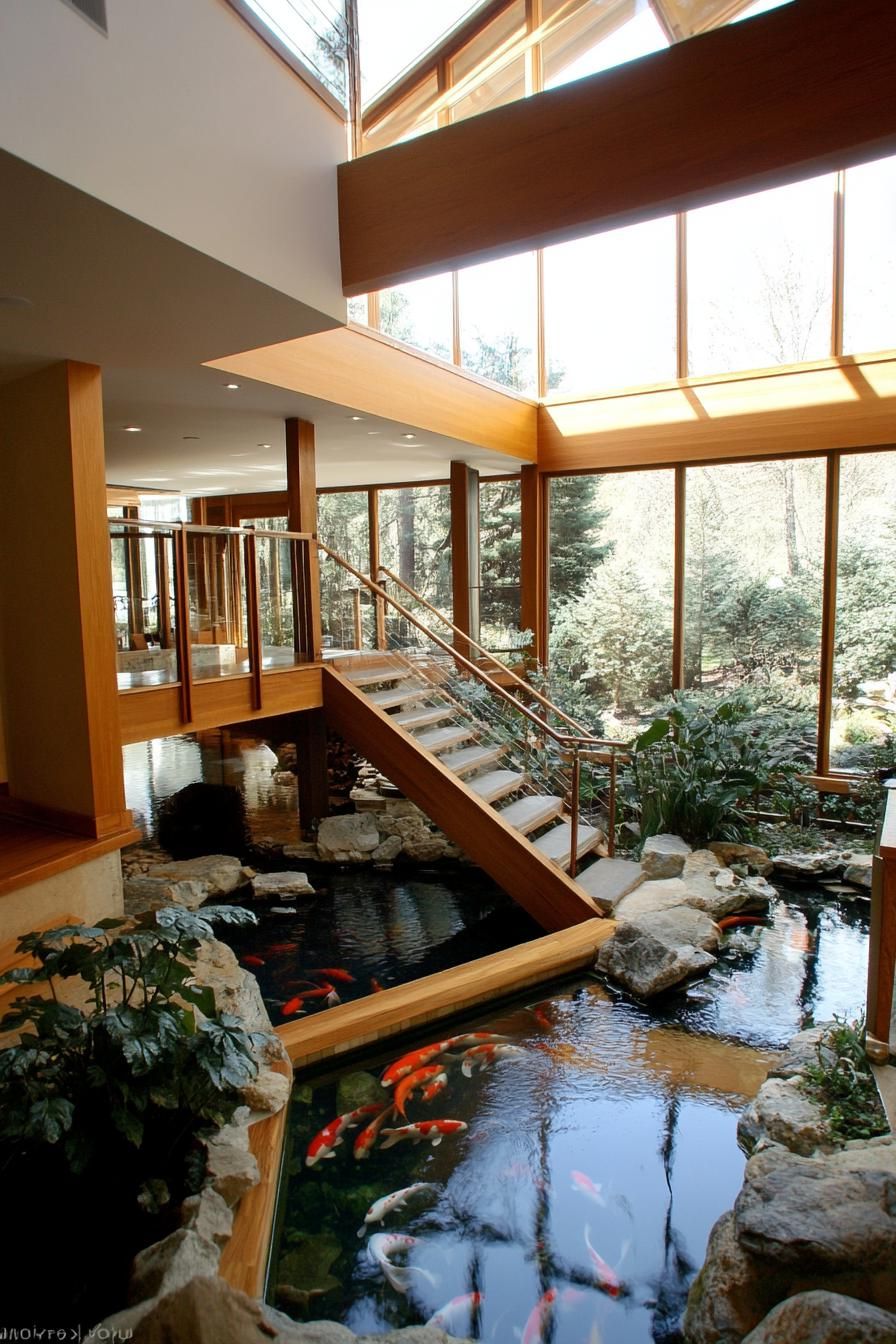
Many homeowners add water features like this specifically to bring a slice of the outdoors inside during a hectic week.
Even a small pond, a few feet across, can carry that same calming effect through an entire home.
Exposed Wooden Beams and Natural Wood Details
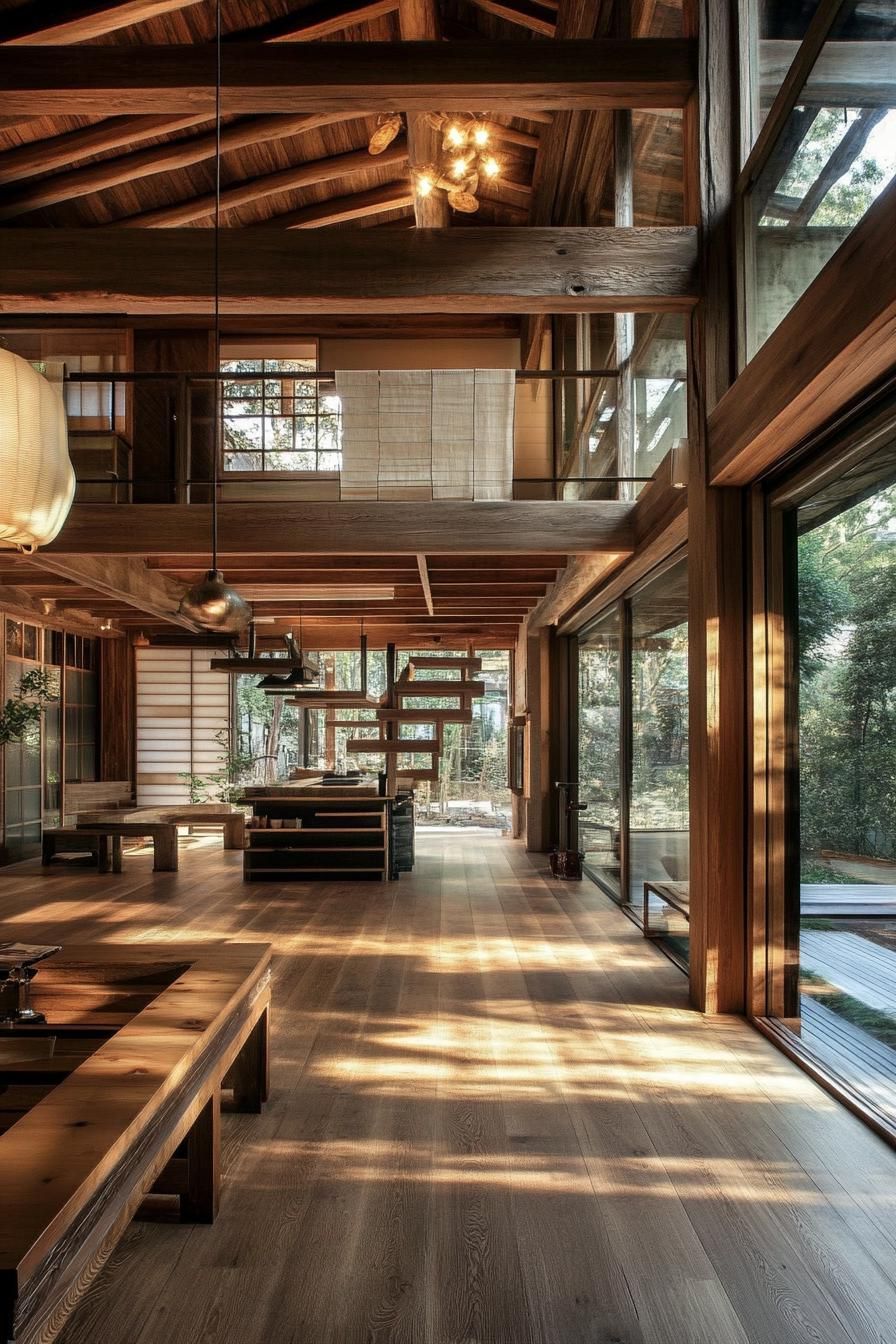
Dark, richly grained beams span the ceiling, adding a sense of structure and history to the room. Cedar and cypress are two woods often used for this kind of exposed framing in Japanese-style homes.
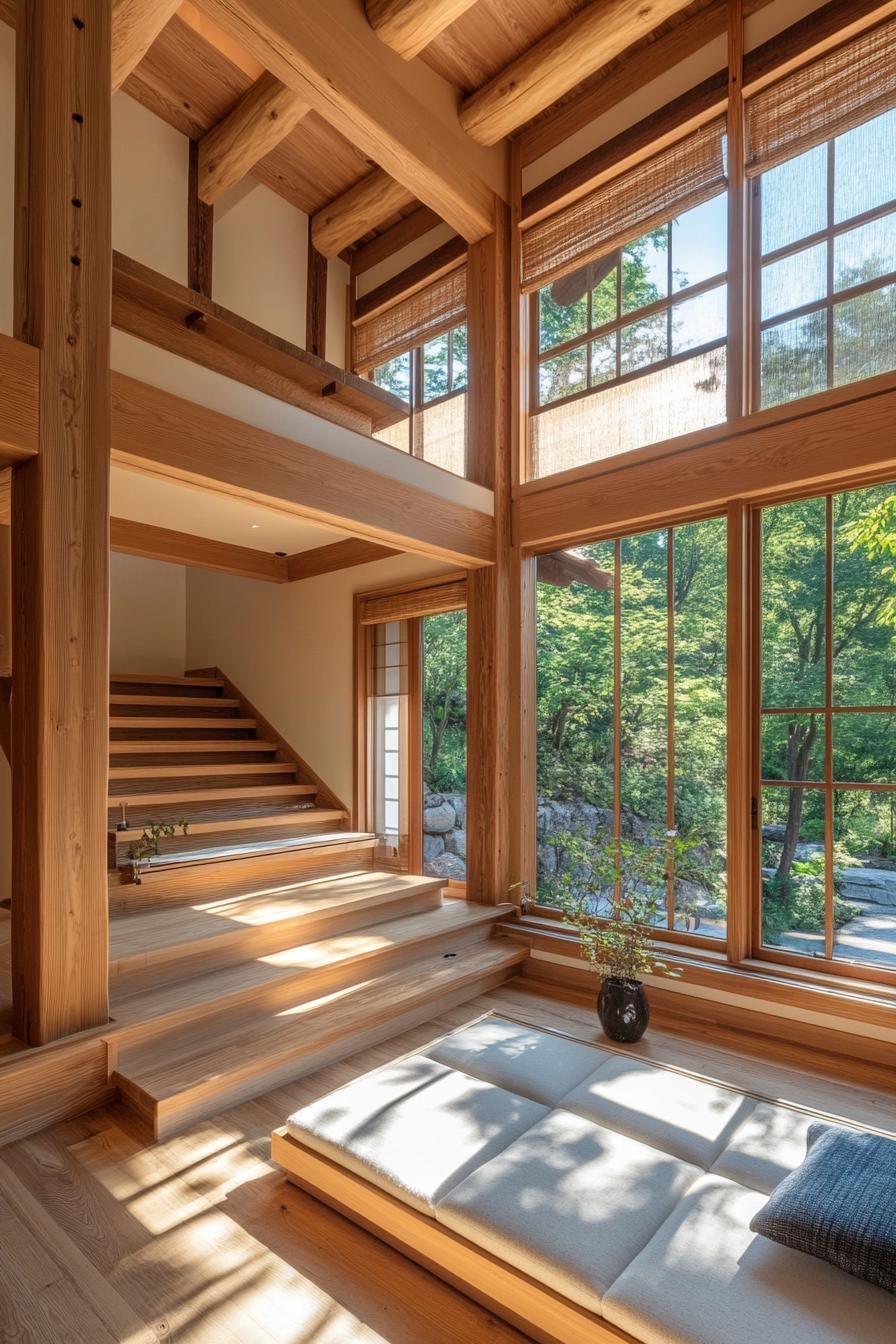
I love how the natural wood finishes on the walls, doors, and furniture really bring the beauty of the outdoors right into our home. It just adds such a cozy and inviting touch!
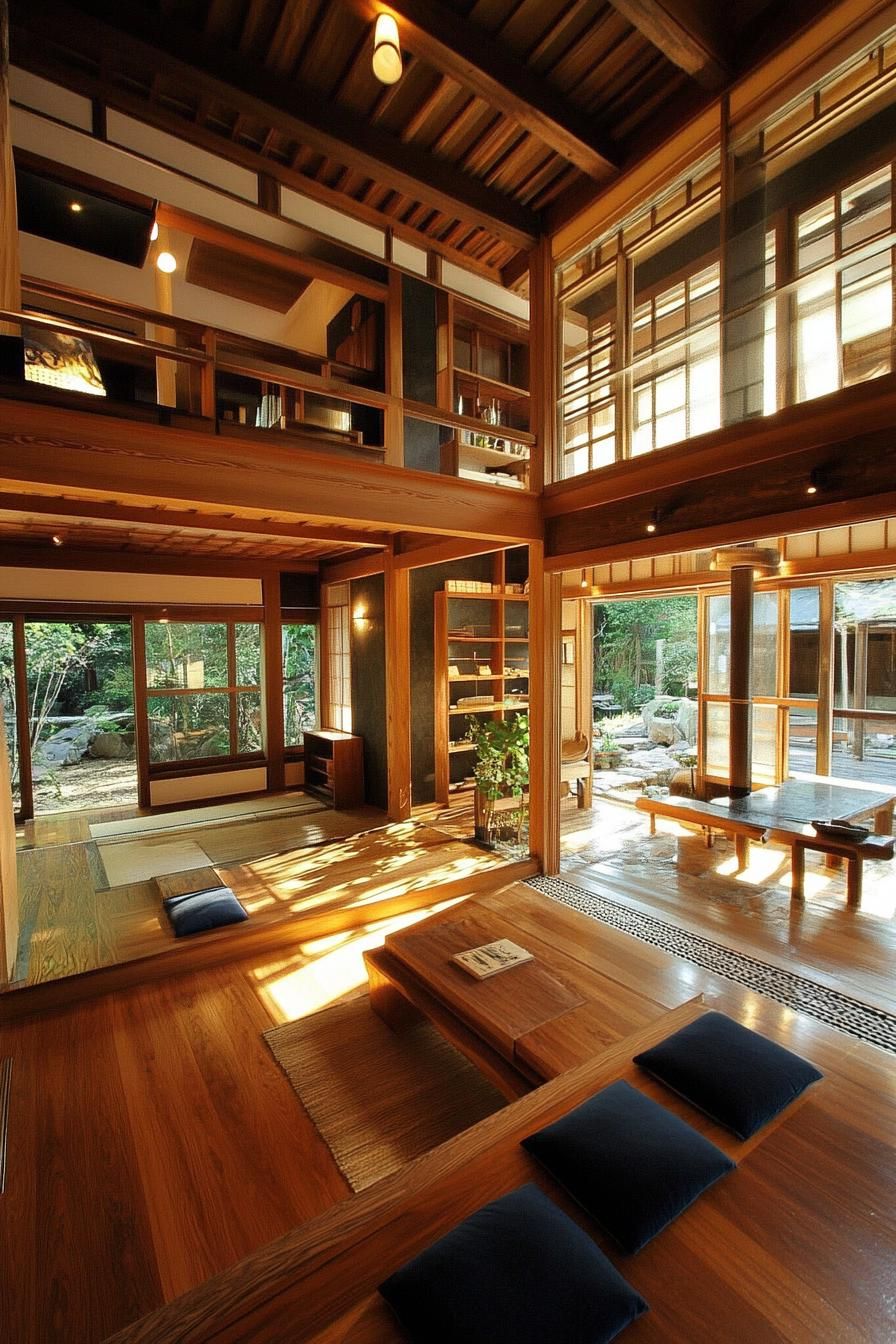
These things all come together to make a warm and inviting environment where you can just kick back and chill.
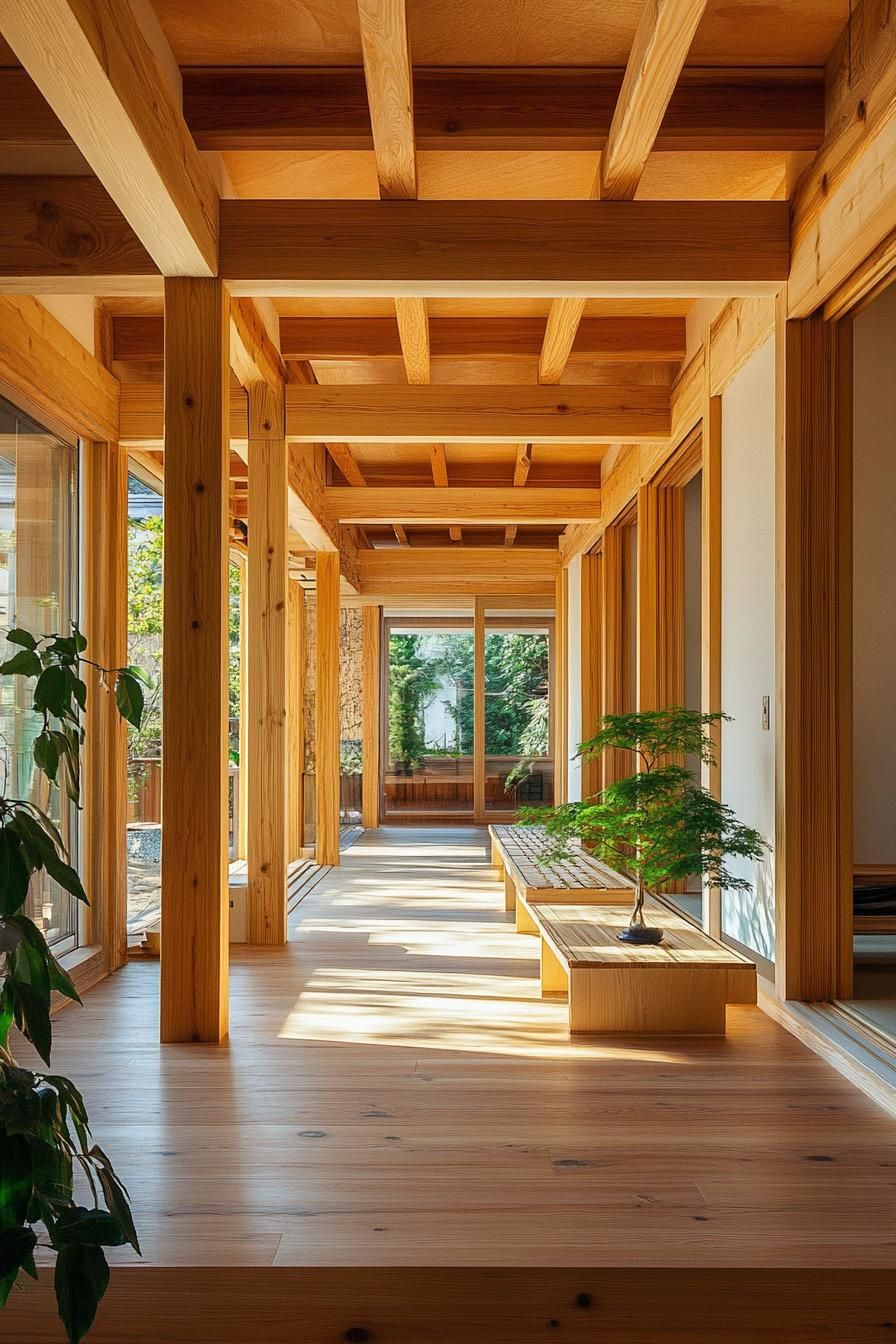
Imagine a space where modernity meets timeless nature.
Futon Beds in Multi-purpose Rooms
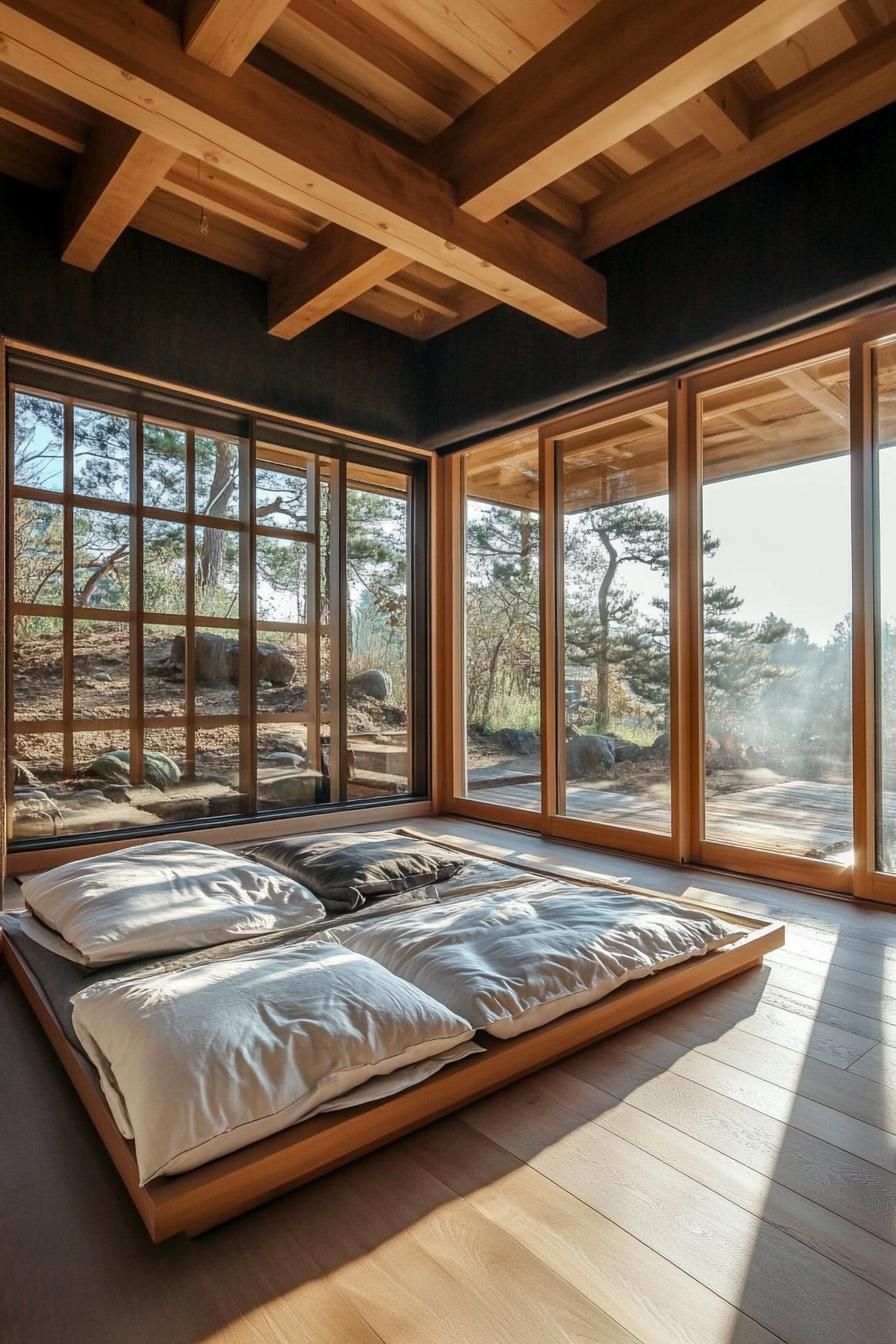
Forget bulky beds.
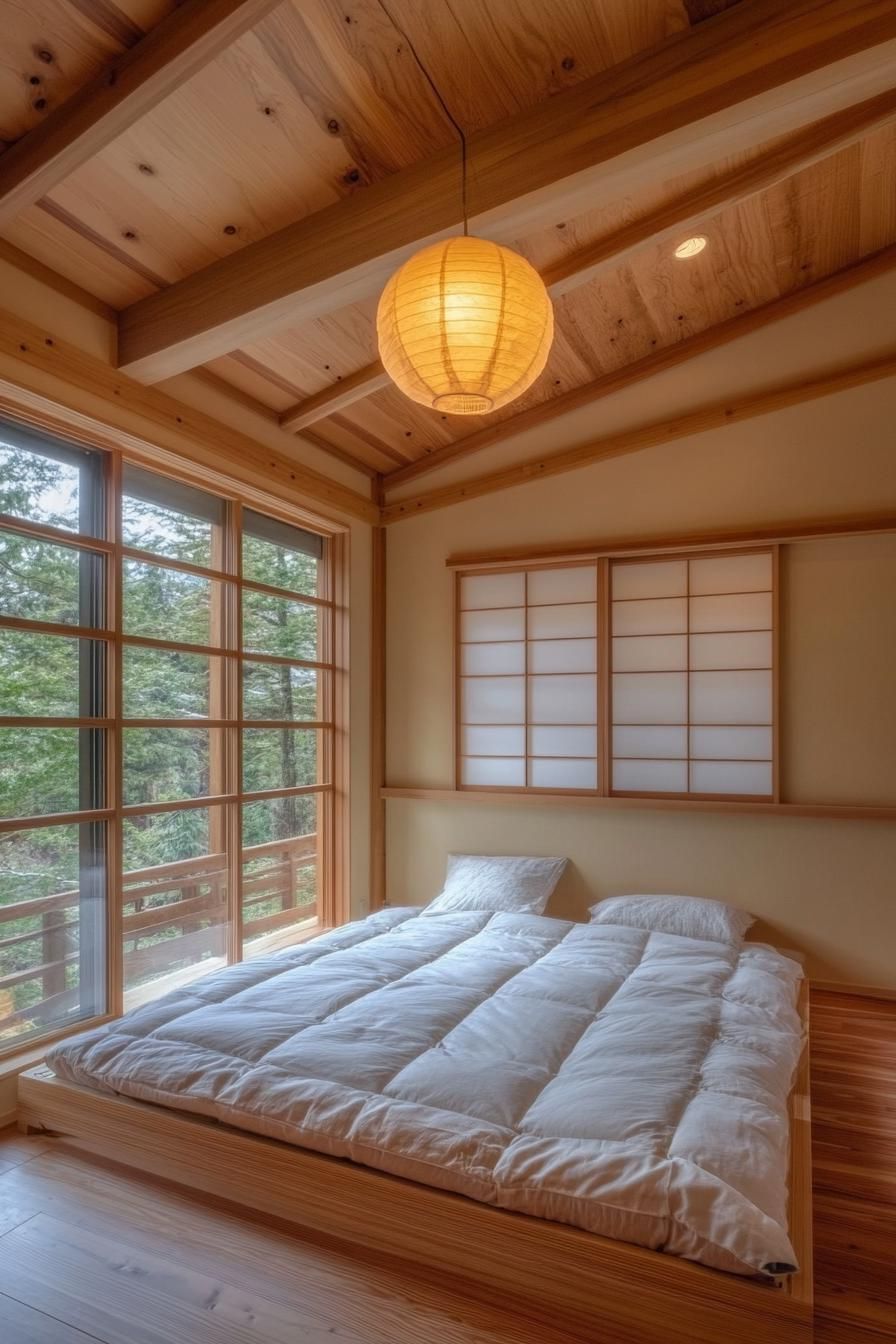
Picture this: You pull out a comfy futon just when you’re ready to crash for the night. How convenient and cozy does that sound?
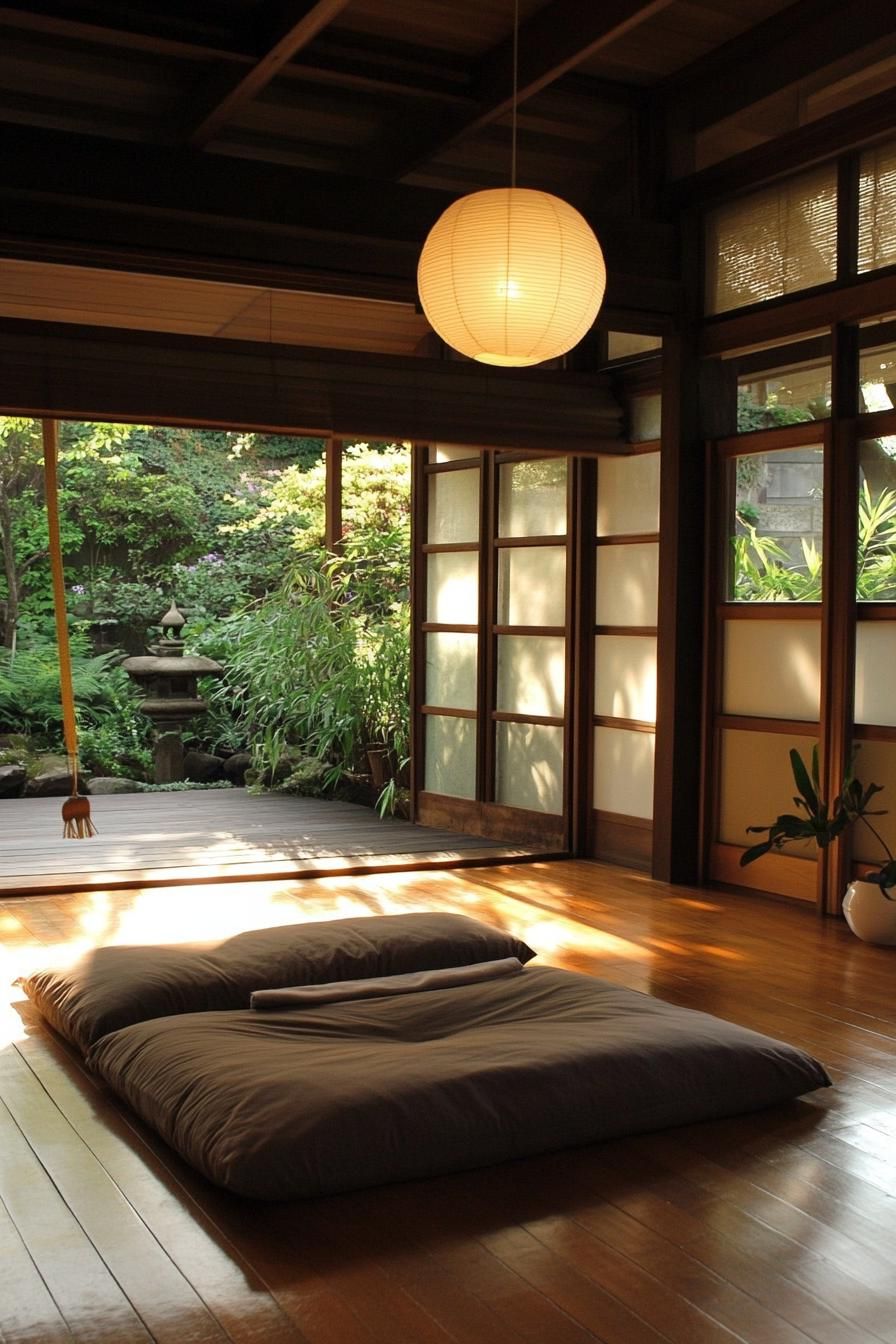
During the day, enjoy an open and versatile space for activities.
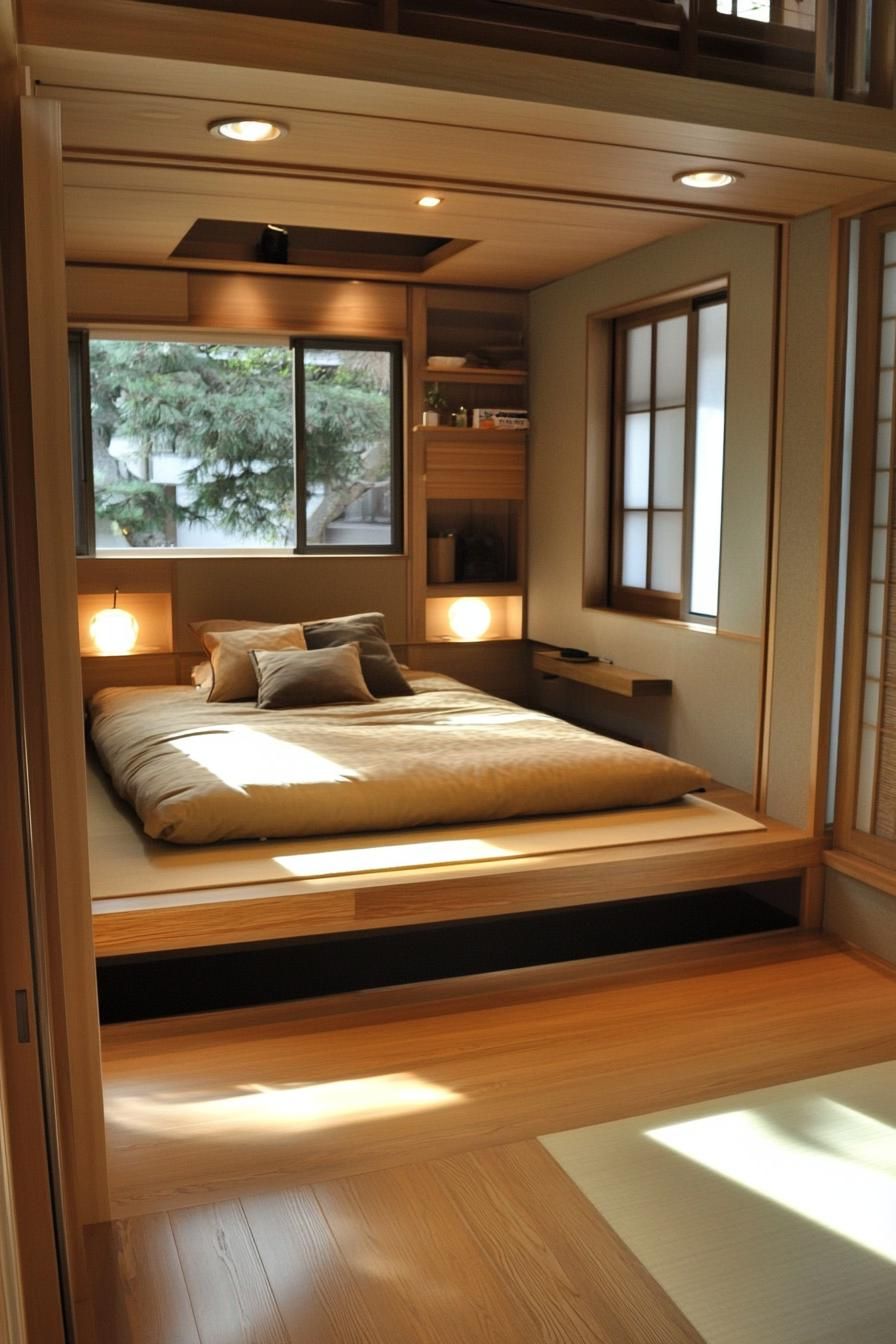
Do you know how multi-use rooms can help you make the most of your living space without the hassle of constantly rearranging furniture? It’s pretty cool!
A Traditional Tea Ceremony Space
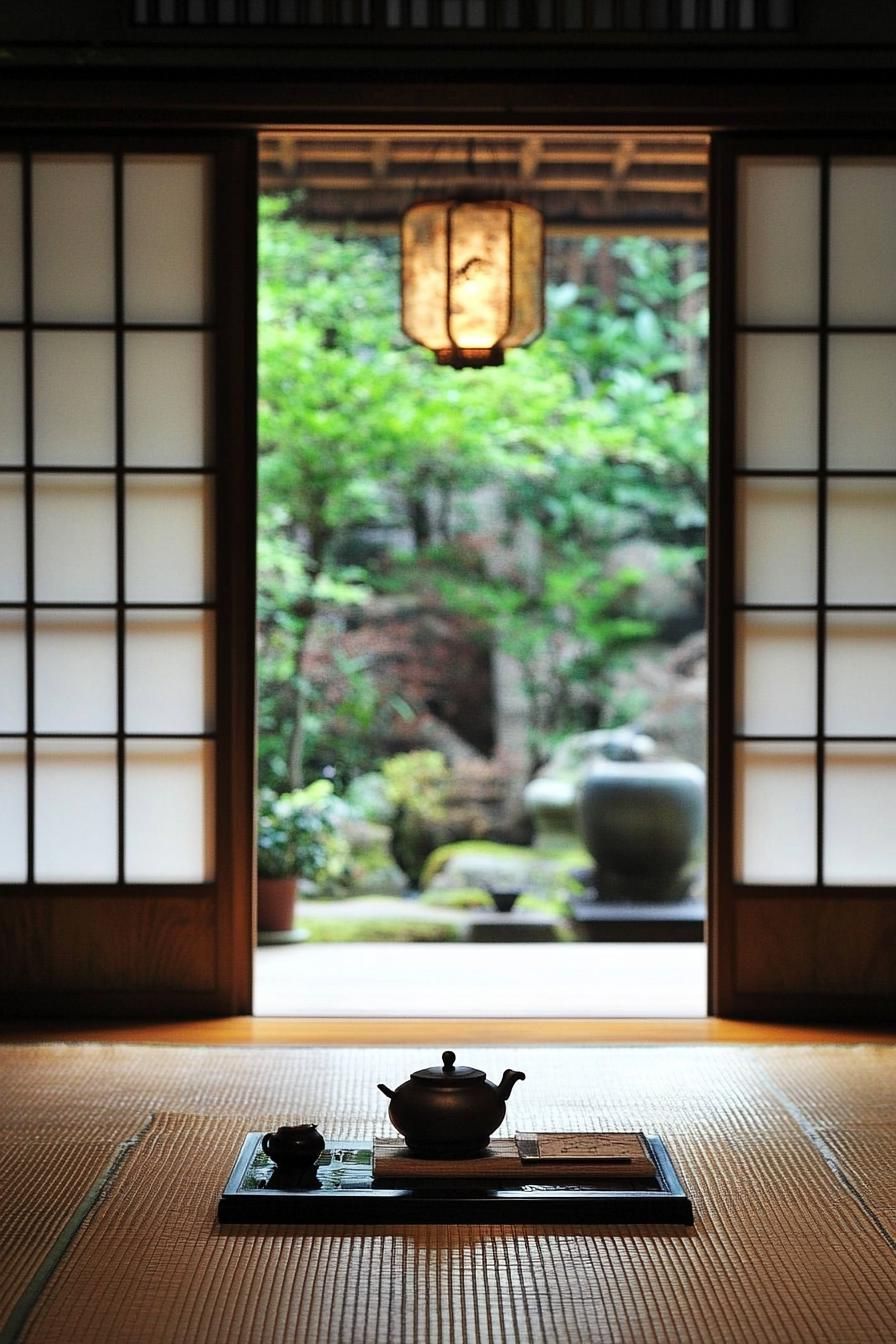
A tranquil space adorned with tatami mats and delicate calligraphy scrolls.
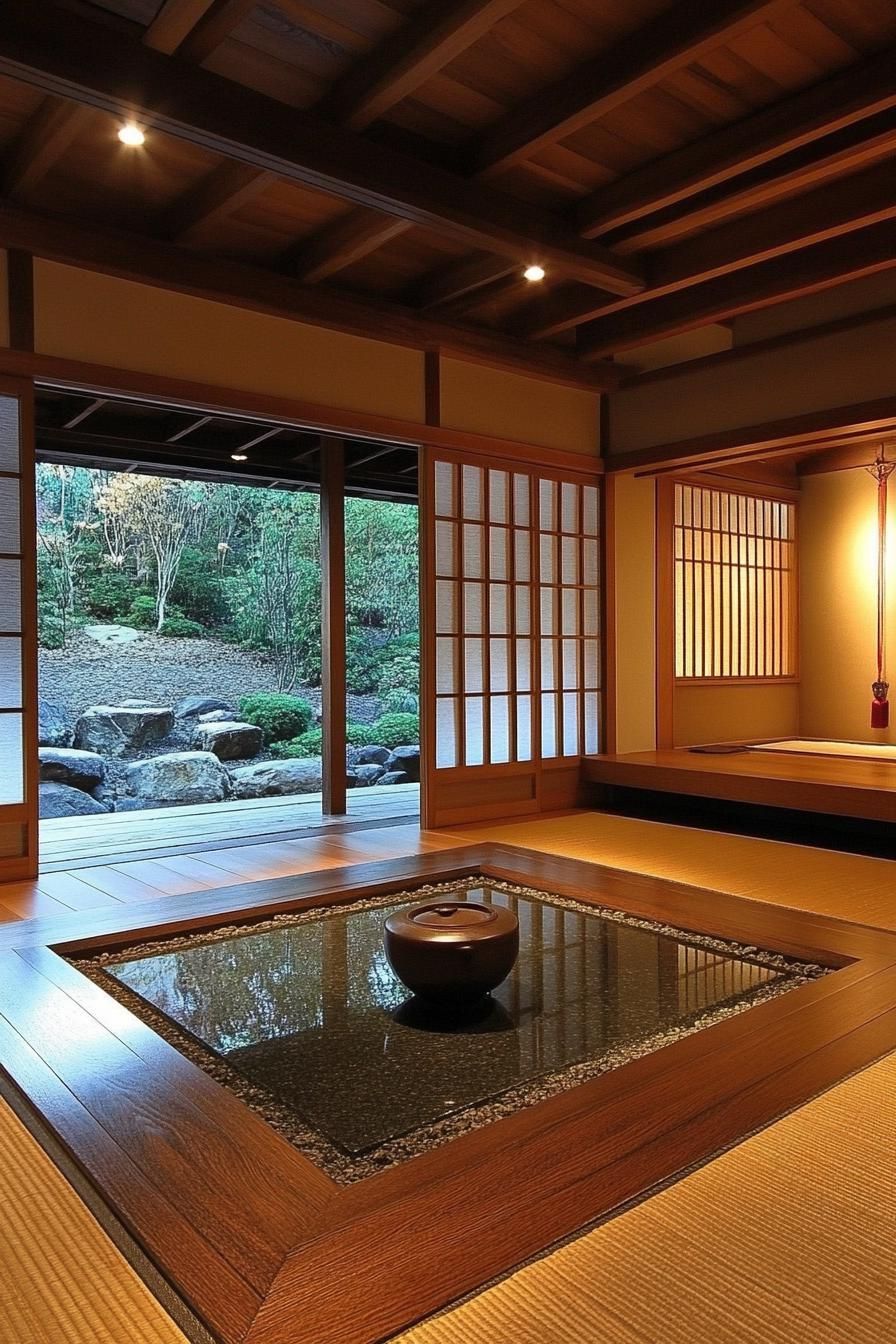
Check out this cute little wooden table with comfy cushions for seating. Perfect for adding a cozy touch to any room!
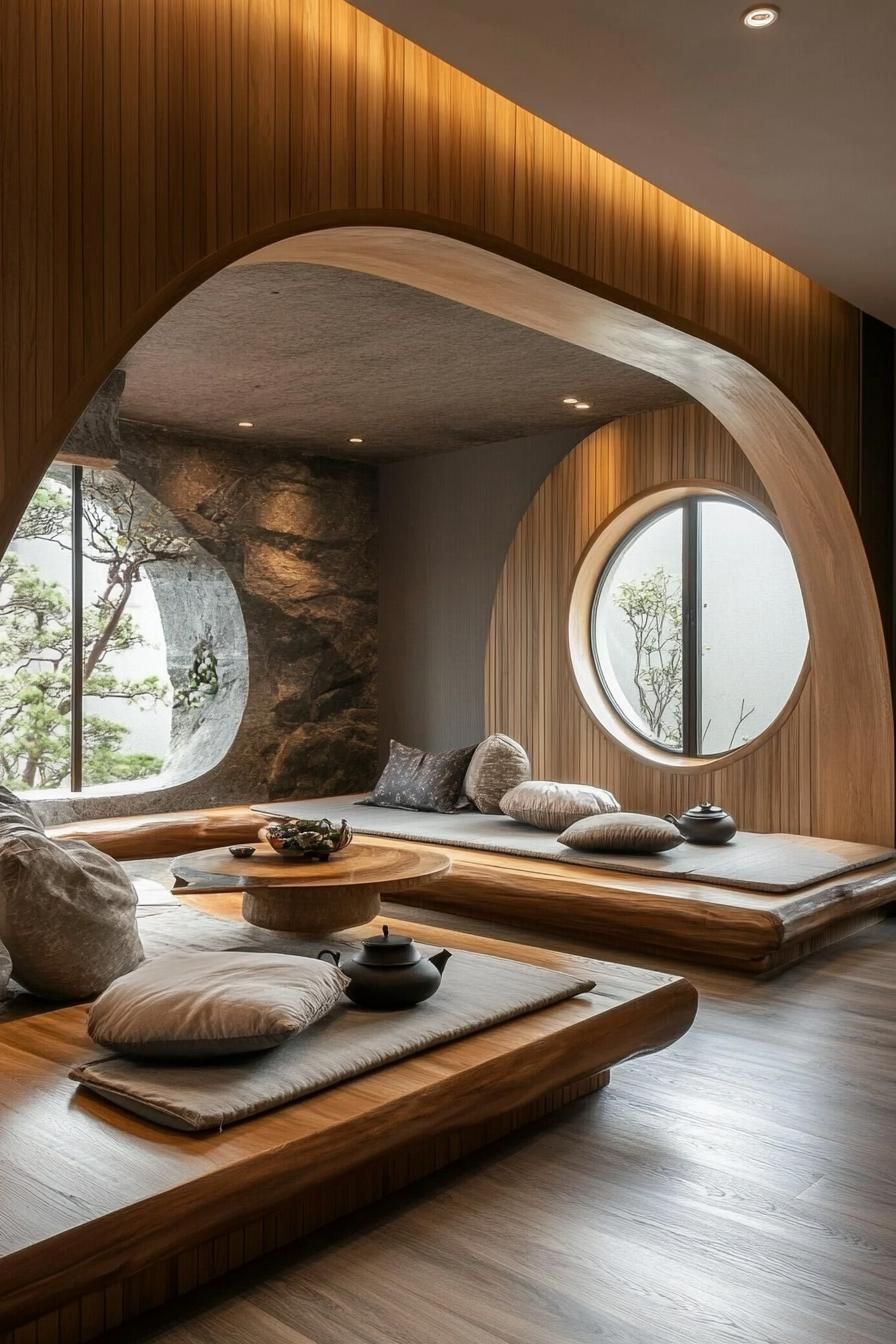
Tokonoma alcove showcasing seasonal flower arrangements or minimalistic art.
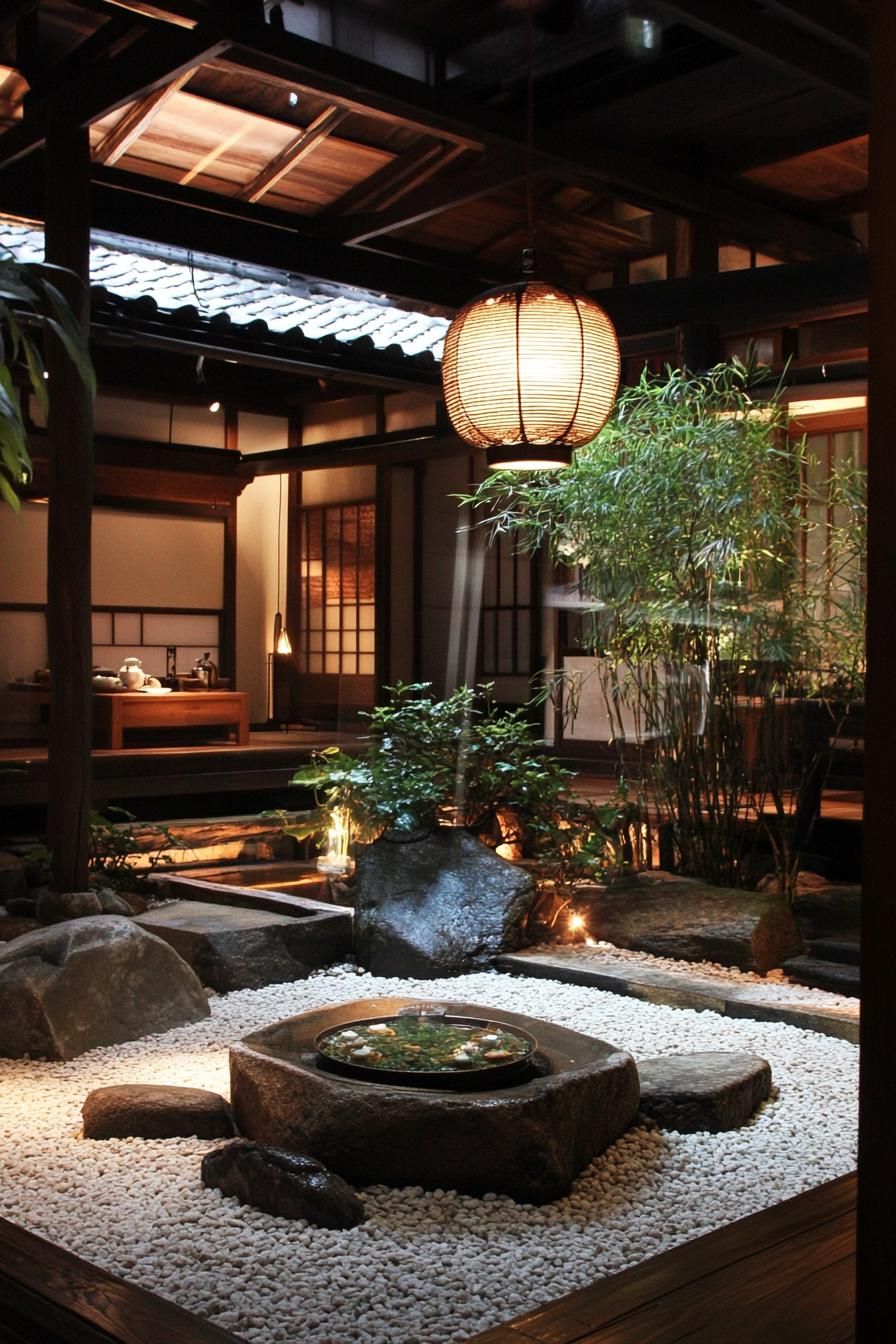
The scent of incense wafting through, completing the peaceful ambiance.
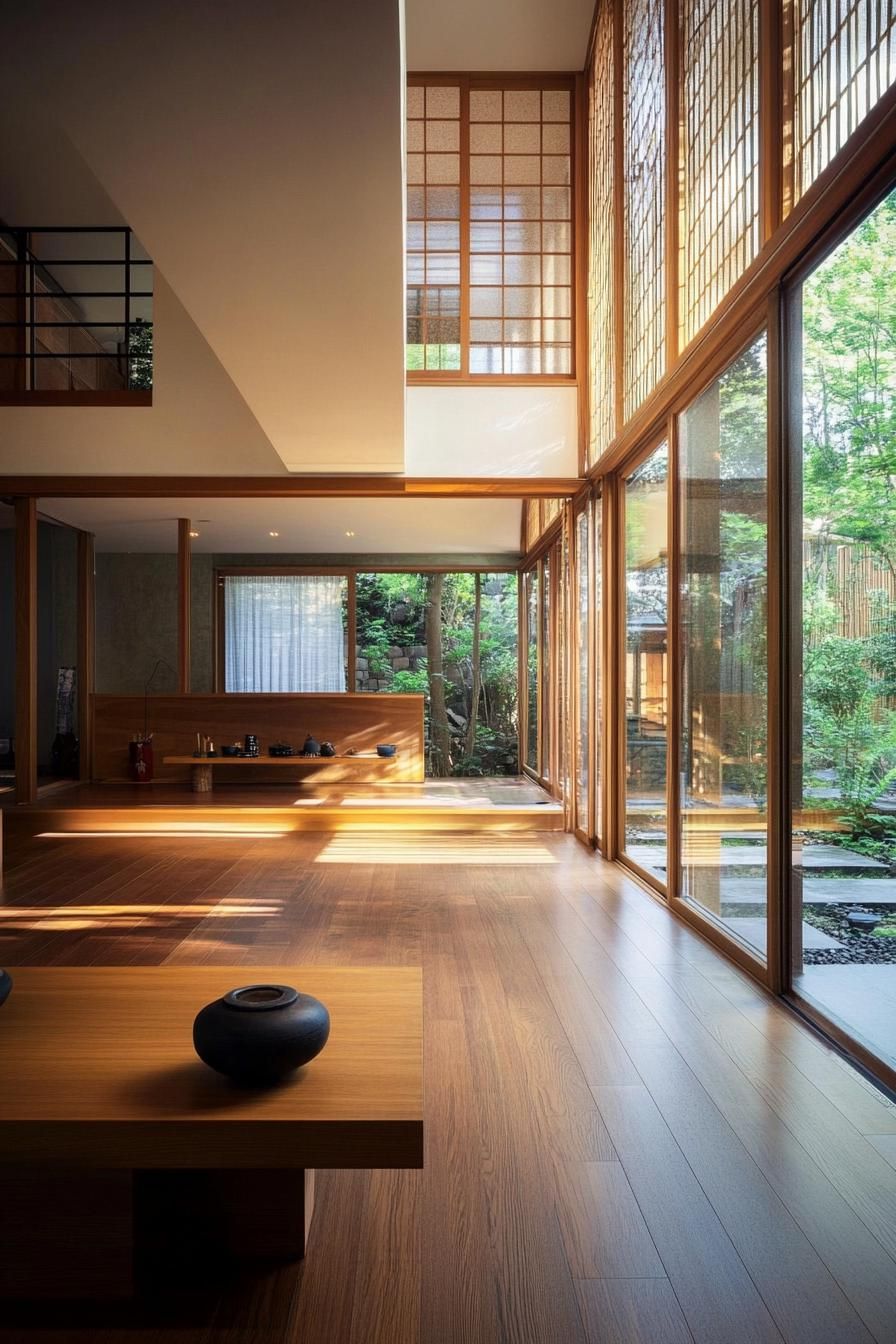
Lights that adjust based on the time of day? Check.
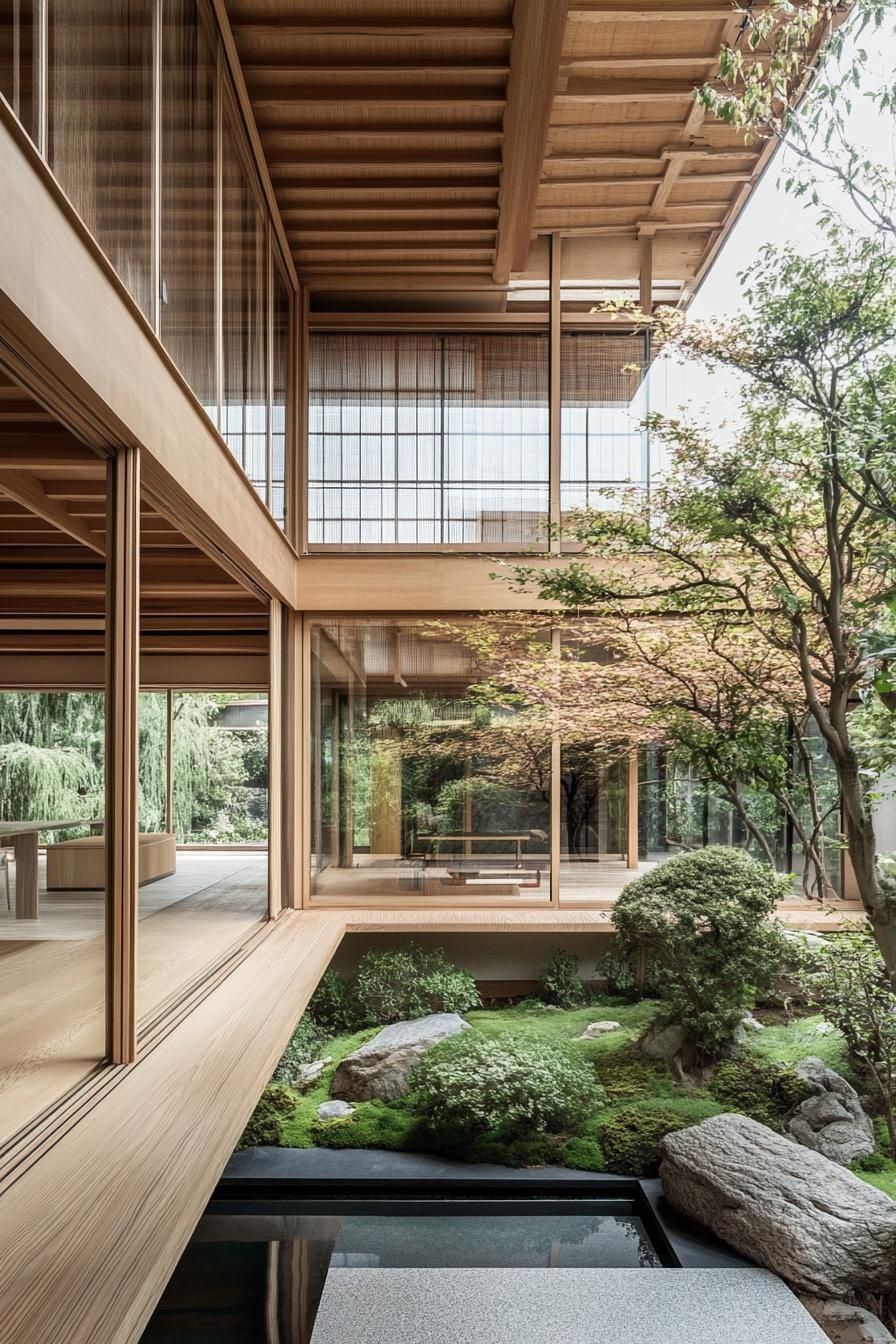
Hidden speakers creating serene soundscapes? Absolutely.
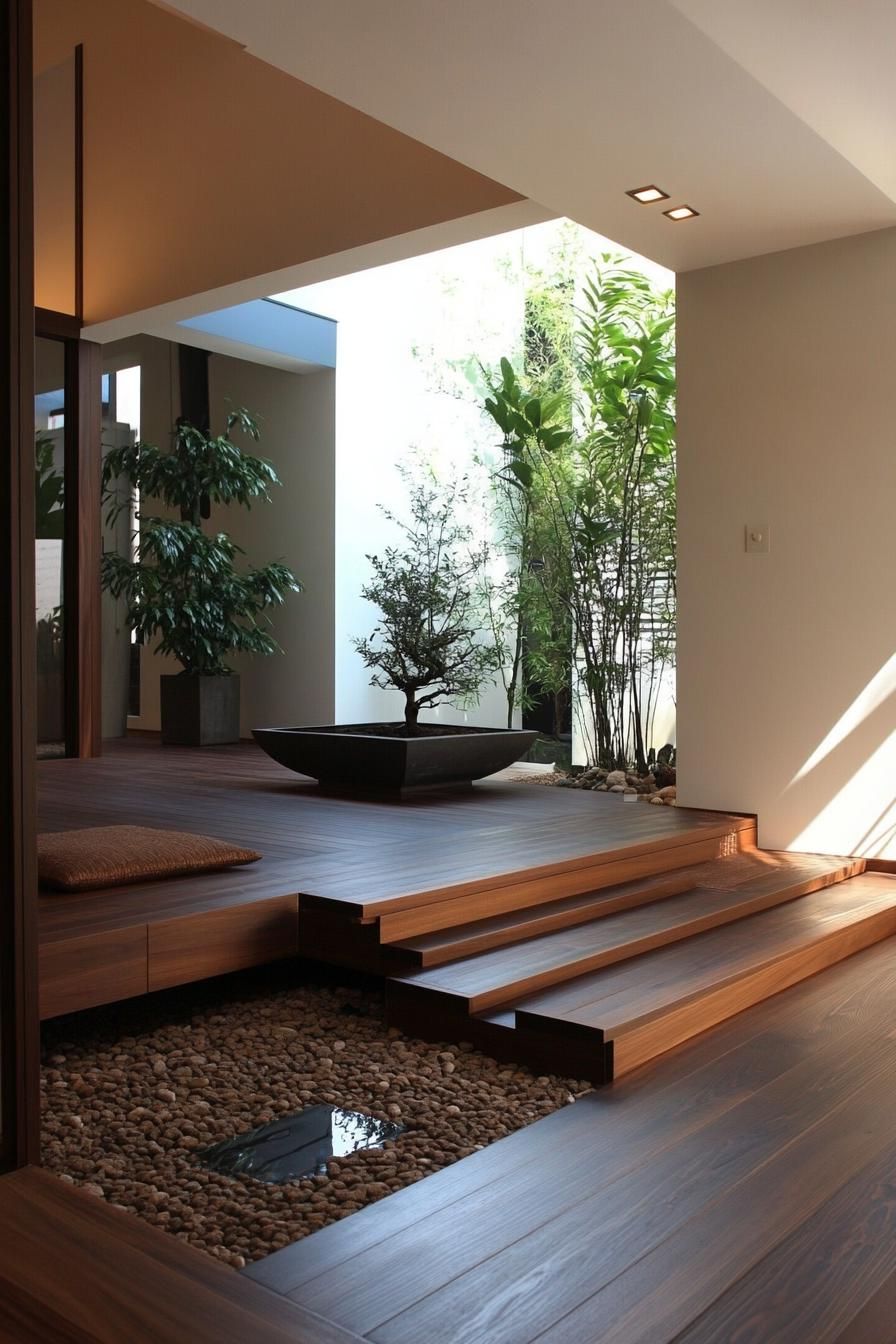
Climate control panels that resemble art pieces? Why not!
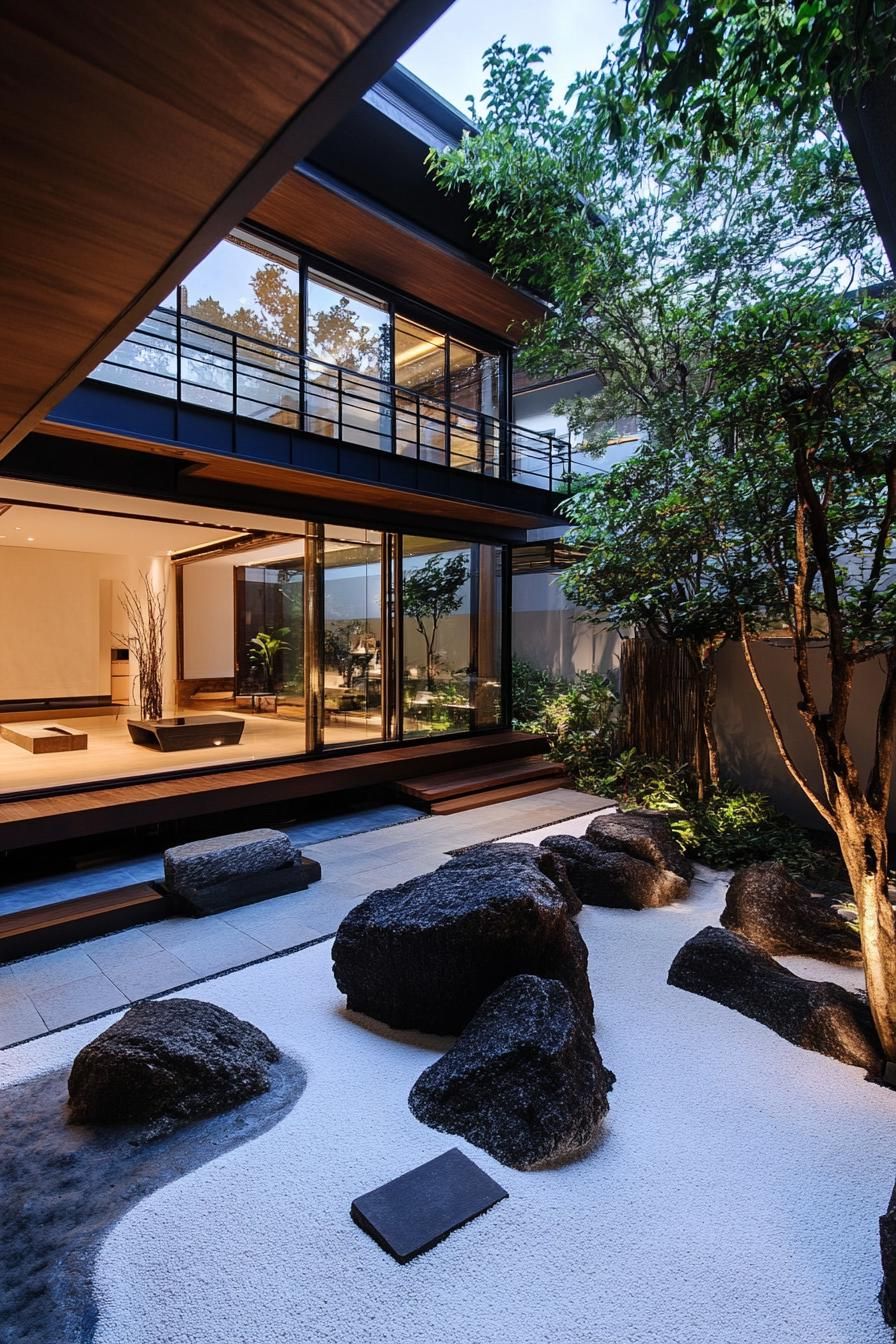
The way everything comes together so smoothly, it’s like pure magic!